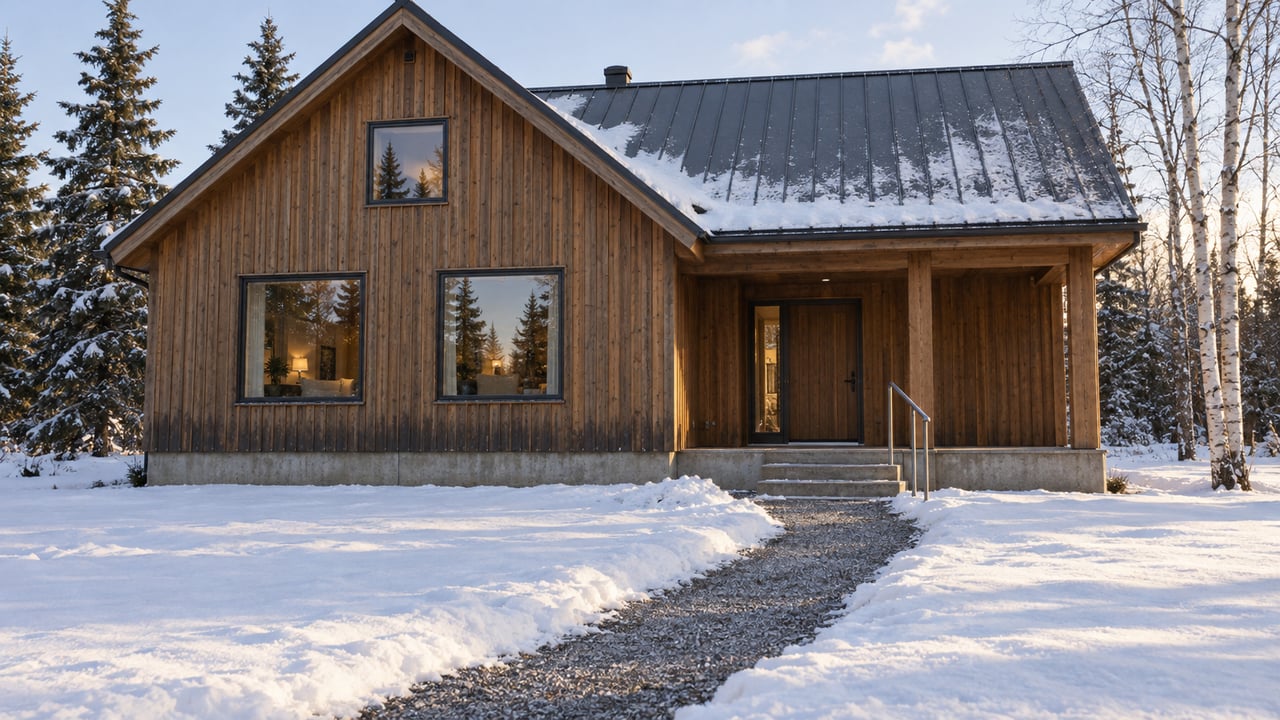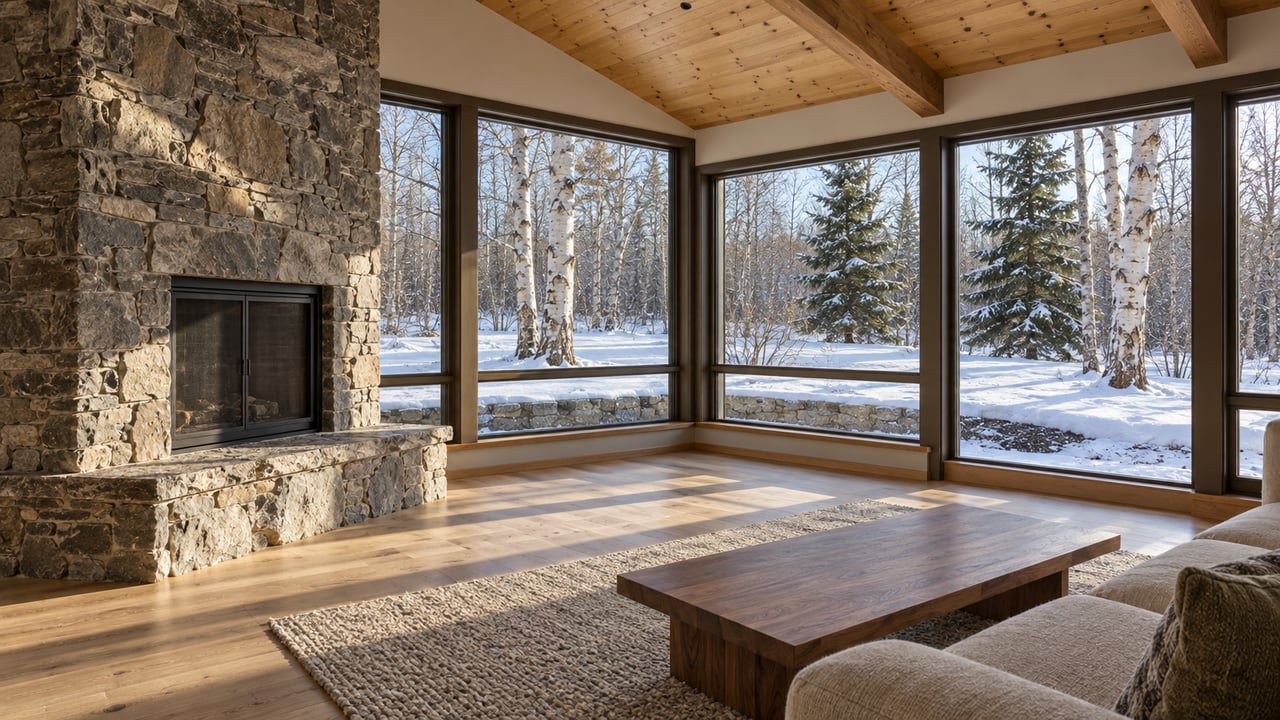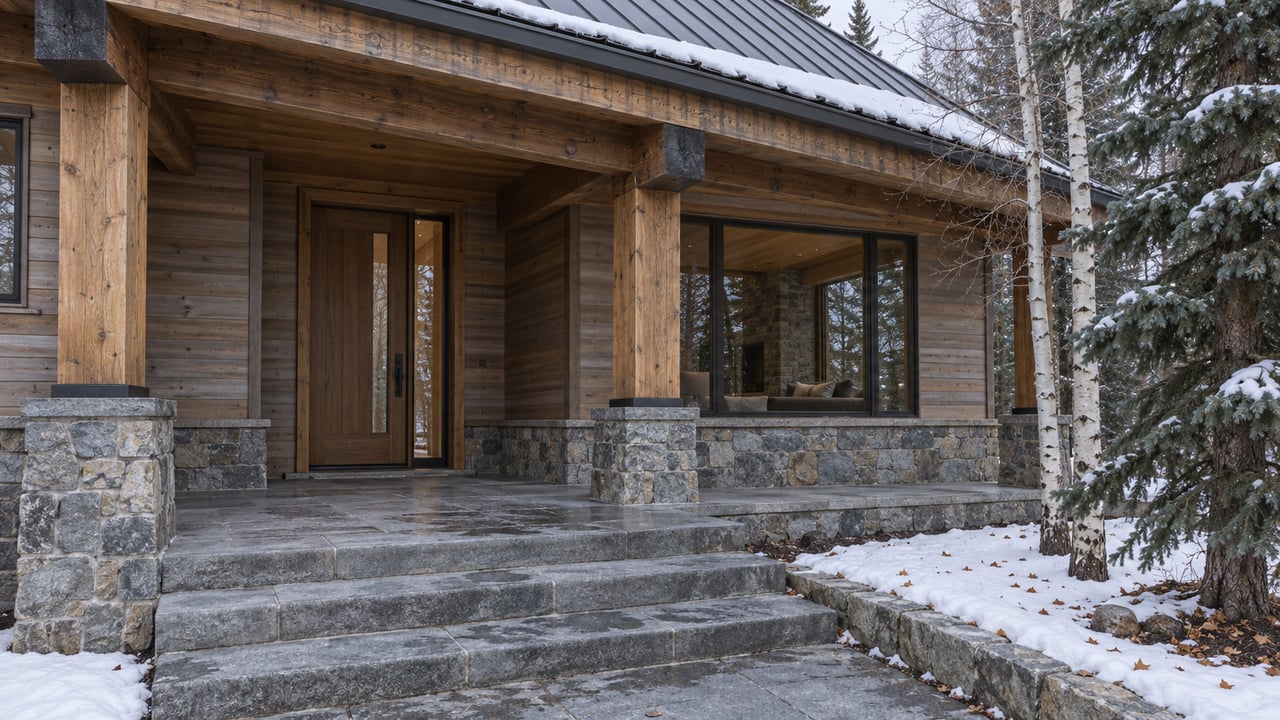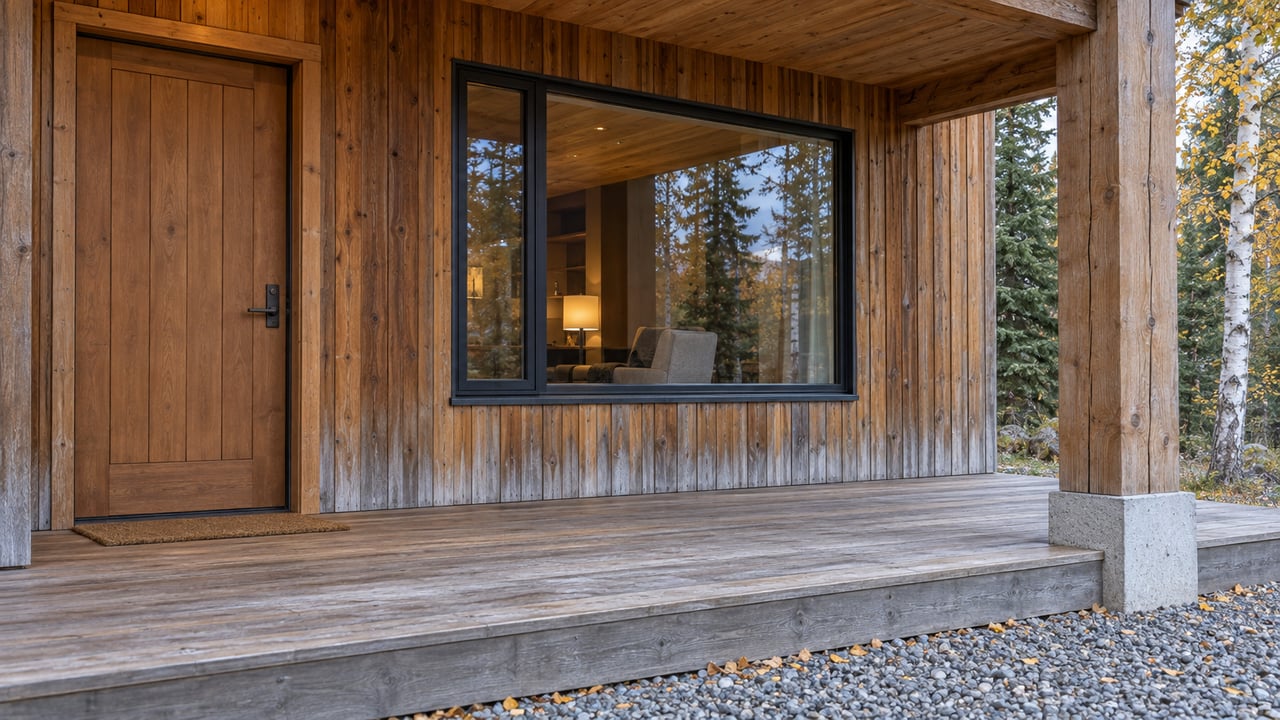
Every third Saturday in September, Ester Dome Road closes to through traffic, Henderson Road turns into a residents-only lane, and a good share of Fairbanks either laces up or plants a lawn chair somewhere along a 26.2-mile loop that climbs a mountain twice. Most people who have lived here more than a season know this much. Fewer know that the race responsible for all of it once briefly held a title no other marathon in the world could claim, or that this spring, for the first time in a long while, the people running the whole operation changed.
Both facts matter if you want to understand why September 19 looks the way it does this year.
A Small College Town Once Ran the Biggest Marathon on Earth
The Equinox started in 1964, organized by members of the University of Alaska Fairbanks community. The first race drew 143 entrants and 69 finishers, and women made up the majority of entrants and the largest single group among finishers, an unusual ratio for a marathon in that era. By the late 1960s, Equinox had done something no one running it that first year could have predicted: it was, for a stretch, the largest marathon in the world, and it held that distinction three separate times.
Compare that to where the field sits now. The 2024 race finished 385 runners. That is a healthy, stable number for a mountain trail marathon, and it is nowhere close to what once made Equinox a headline. The race did not shrink so much as the sport around it grew elsewhere. What stayed constant is what the race means locally: it is still the event where the whole town shows up to run, volunteer, or stand at the roadside, not because it is the biggest race on the calendar anymore, but because it is the one that has been here the longest.
New Leadership Took the Wheel in March
In March 2026, Running Club North announced that Matias Saari and Tobias Albrigtsen would take over as Race Director and Assistant Director. Saari is a 24-time Equinox participant with 19 marathon finishes and six outright wins, and he is also the author of a book on the race's history, "The Equinox: Alaska's Trailblazing Marathon." Albrigtsen has run the race six times and finished in the top 10 on five of those.
Handing the keys to someone who has literally written the institutional history of the event is not a small transition. It means the person now responsible for the logistics, the course marshals, and the awards banquet is also the person who has spent years documenting how this race got here in the first place. For an event now running its 63rd renewal, that kind of continuity is worth noticing even if you never plan to run it.
What Actually Closes on September 19
The race starts and finishes at the UAF Student Recreation Center Field, with the gun going off at 8:00 a.m. and the finish line staying open until 6:00 p.m., followed by an awards ceremony that runs until 8:00 p.m. On race day, cars are not allowed past Henderson Road, and organizers run shuttle vans through Airlink Shuttle and Tours for anyone who needs to reach the upper part of the course.
The course itself is the reason the closures matter as much as they do. Runners climb to the summit of Ester Dome, which sits at 2,323 feet, and the full loop adds up to roughly 3,285 feet of total elevation gain. That climb, combined with rough trail footing, is why the course has never been USATF certified and cannot serve as a Boston qualifier. It is also why weather on race day swings so widely. Valley temperatures in mid-September typically run in the high 30s at the start and climb to around 52°F by afternoon, but the exposed summit of Ester Dome can be colder, and early snow up there is not unusual even while the valley is still holding onto fall color.
Where Locals Actually Watch
If you are not running and just want to catch the race without fighting for parking, the course passes several spots that double as informal viewing areas:
- The Muskox Farm, near mile 2, where runners are still fresh and the crowd tends to be lighter
- Anne's Greenhouse, around mile 8, right before the course turns toward the base of the Ester Dome climb
- Goldstream Sports, also near mile 8, where marathoners peel off onto the gravel road that leads up to Ester Dome Road
- The base of Ester Dome Road itself, where you can watch runners start the roughly 1,800-foot climb
- The Chute, a steep descent at mile 17.2, which is one of the more dramatic and physically punishing stretches on the course and a favorite among longtime spectators for exactly that reason
None of these require the kind of planning that getting to the Henderson Road shuttle pickup does. They are the spots where you can walk up, find a place to stand, and watch people you probably know grind through the hardest parts of their day.
Why the Whole Town Still Shows Up
Equinox has never really been about the marathon distance. It takes its name from the autumnal equinox, timed to land near the end of green summer, when the leaves have turned but the snow usually has not started falling yet. Organizers describe it as the entire community coming out to run, volunteer, and spectate as one last shared event before the season turns, and that framing has held up for six decades because it is accurate. People who never plan to run 26.2 miles over a mountain still show up to hand out water at mile 8 or cheer from the Chute, because the race has become one of the few fixed points on the Fairbanks calendar that everyone recognizes, whether they ran it in 1978 or have never run it at all.
That kind of shared ritual is not something you find on a listing sheet, but it is part of what makes a specific street or neighborhood feel like home rather than just an address. The families who plant themselves at the same spot on Ester Dome Road every September, the volunteers who staff the same water station year after year, the runners who treat this as their one race of the year, all of that is part of what daily life actually looks like here, long after any transaction closes.
If you are weighing what it means to put down roots in Fairbanks, or you already have and are thinking about your next move, Daniel Larranaga can talk through what a specific neighborhood actually offers beyond the numbers on a listing. Schedule a free consultation whenever you are ready.