If you are thinking about living in Fairbanks, the weather is only part of the story. What really shapes daily life here is the rhythm of the seasons, from deep winter cold and very short days to bright summer evenings that seem to go on forever. When you understand how those shifts affect your home, yard, and routine, you can make better choices about where and how you want to live. Let’s dive in.
Fairbanks Seasons at a Glance
Fairbanks is a highly seasonal place, not just a cold one. Climate normals at Fairbanks International Airport show an annual mean temperature of 28.3°F, with January averaging 0.6°F for the high and -17.2°F for the low. July looks very different, with an average high of 72.7°F and an average low of 53.1°F.
Precipitation is relatively modest over the year, averaging 11.67 inches annually. Snowfall averages 64.6 inches a year, with most of it falling from late fall through spring. June through August average essentially no snow, which helps create a short but active outdoor season.
Daylight is one of the biggest lifestyle factors in Fairbanks. Around the June solstice, the city gets about 21 hours and 50 minutes of daylight, with sunrise before 3:00 a.m. and sunset just before 1:00 a.m. Around the December solstice, daylight drops to about 3 hours and 41 minutes, so your schedule and home life can feel very different depending on the time of year.
Winter Home Life in Fairbanks
Winter in Fairbanks is when your home works the hardest for you. During the coldest part of the year, heating systems, plumbing protection, and snow management become part of normal homeownership. If you are relocating from outside Alaska, this is often the biggest adjustment.
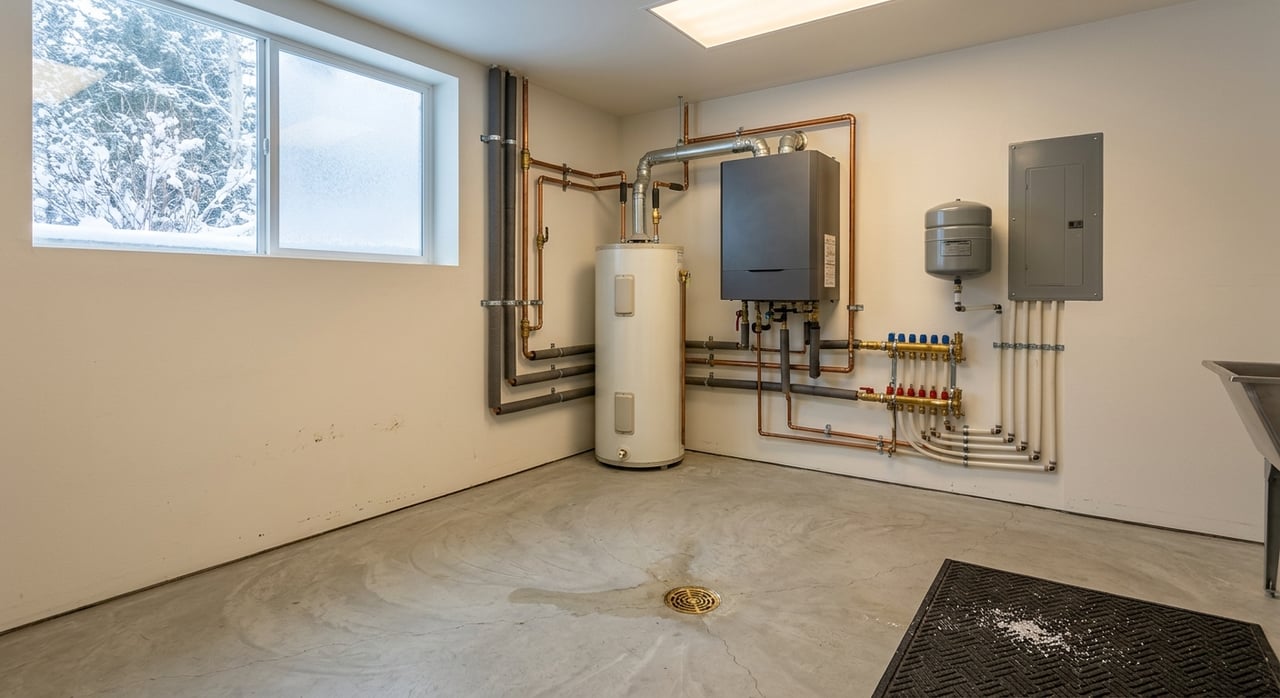
Guidance from the University of Alaska Fairbanks Cooperative Extension notes that severe cold can interrupt heating fuel flow, freeze water lines, block chimneys and air intakes, and affect propane systems. That is why practical winter-ready features matter so much in this market. A home is not just a place to stay warm, it is a system that needs to function well in extreme conditions.
Winter Systems That Matter Most
When you look at homes in Fairbanks, it helps to focus on everyday function. Features that support winter comfort and reliability can make a big difference in how a property lives over time.
Key items to pay attention to include:
- A dependable heating system
- Protected fuel tanks and supply lines
- Plumbing that is protected from freezing
- Chimneys and air intakes that can be maintained and checked regularly
- Properly installed heat tape where needed
- Windows and doors that help reduce heat loss
- Entry areas or storm doors that help buffer cold air
If a property may sit unheated for a period of time, UAF advises turning off the water and draining the pipes and water heater. That kind of seasonal planning is part of life here, especially for some second homes, cabins, or homes left vacant for stretches of time.
Snow Is Part of the Routine
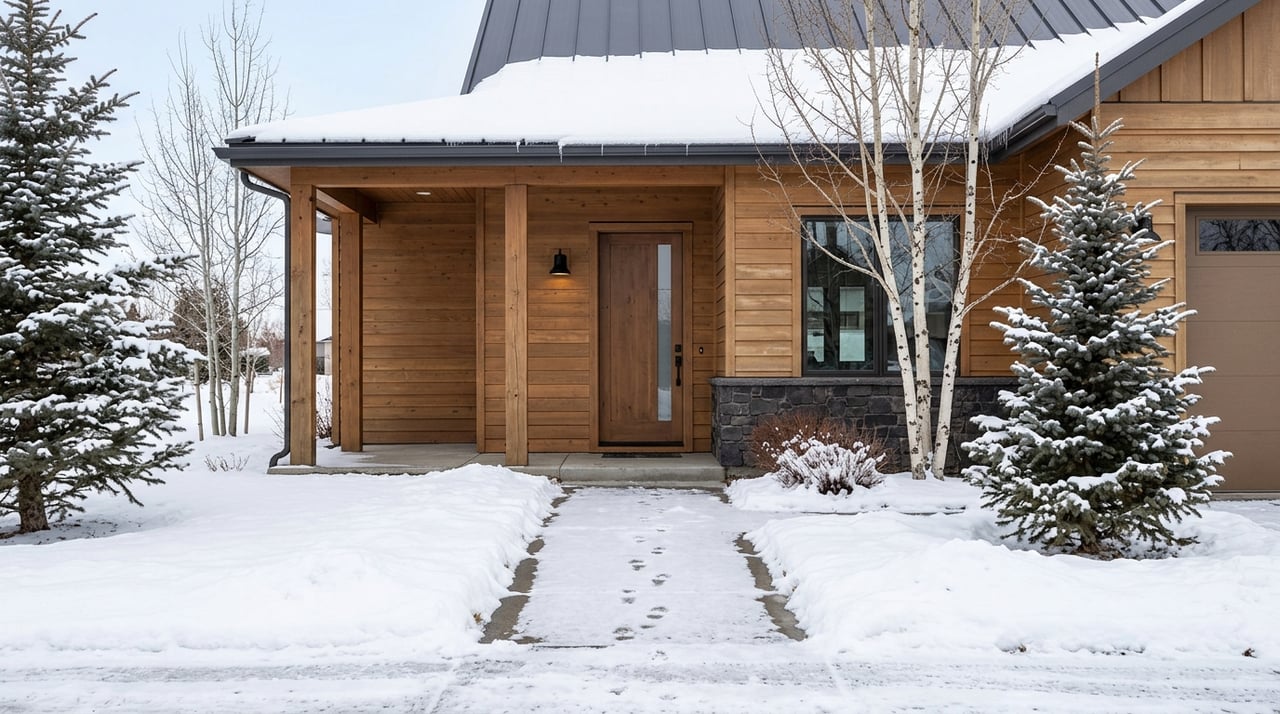
With average annual snowfall of 64.6 inches, snow management is not an occasional task. It is a regular part of winter home life. Driveways, walkways, roofs, vents, and access points all need attention as the season progresses.
For buyers, this means it is smart to notice how a property handles winter maintenance. Think about driveway layout, where snow can be piled, how easy entrances are to clear, and whether important vents and systems stay accessible.
Spring Means Thaw and Inspection
Spring in Fairbanks is less about instant warmth and more about transition. As snowpack recedes and temperatures shift, homeowners often move from winter survival mode into inspection mode. This is the season to see how a house came through the cold months.
UAF building guidance emphasizes insulation, ventilation, vapor barriers, and foundation design that can handle heaving and settlement. It also notes that roof cavities need to stay cool and dry to reduce condensation and ice-dam problems. For you as a homeowner or buyer, that translates into practical spring checkups.
What Homeowners Often Check in Spring
As conditions improve, it helps to look closely at how moisture moves around the property. Spring can reveal issues that were hidden all winter.
Common spring priorities include:
- Checking the roof for signs of wear or winter stress
- Looking at vents and air pathways
- Watching how snowmelt drains away from the home
- Noticing any areas of standing water
- Watching for signs of shifting or settlement
- Checking crawl spaces or lower areas for moisture concerns
If you are buying in spring, this can be a useful time to evaluate how a property handles thaw conditions. A home that performs well during seasonal change can give you more confidence year-round.
Summer Brings a Short, Busy Outdoor Season
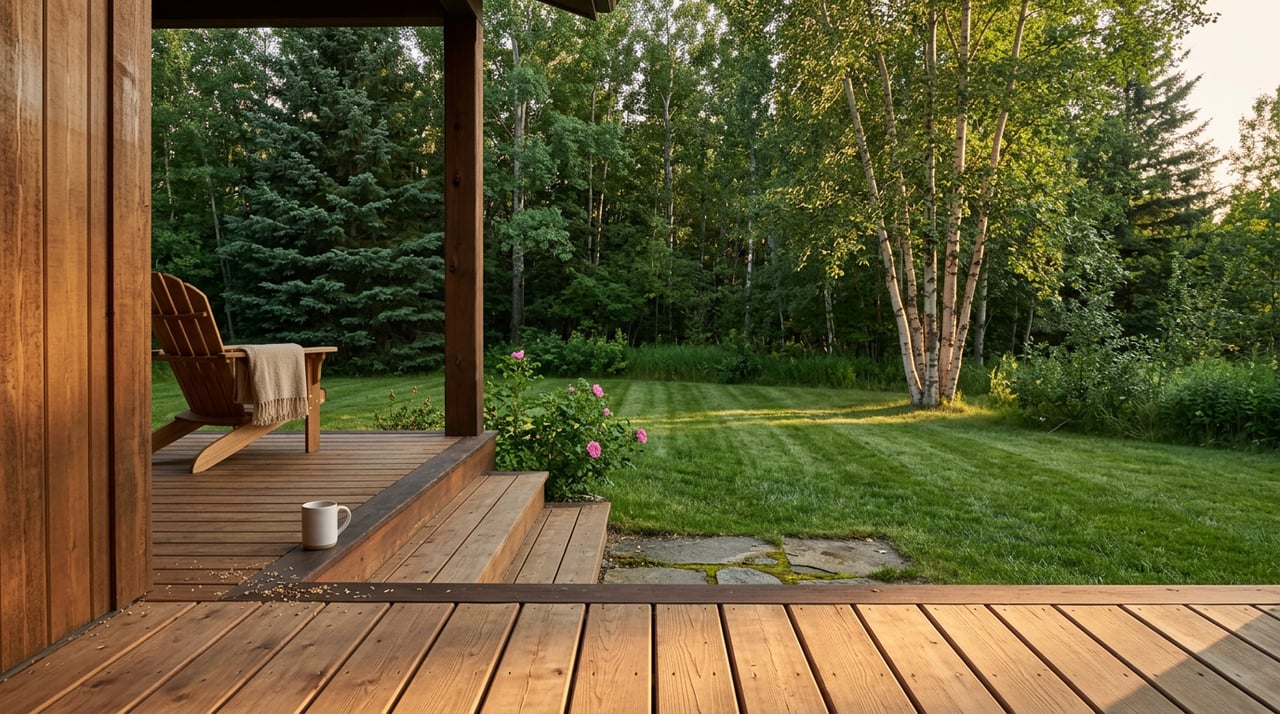
Summer in Fairbanks feels different from almost anywhere else because of the light. With very long days and relatively warm temperatures, people tend to make the most of the season. It is the main window for outdoor projects, gardening, yard work, and recreation.
NOAA normals show that the warmest weather and highest precipitation arrive from June through August. UAF also notes that Alaska’s long summer days support rapid plant growth, but much of Interior Alaska is dry enough that gardens need regular watering. That means summer can be productive, but it also comes with upkeep.
How Summer Affects Property Use
In summer, a home often expands beyond the walls of the house. Yards, garden areas, storage, and outdoor workspaces all become more important because the season moves quickly.
Features that can support summer living include:
- Good drainage in the yard
- Open or south-facing exposure
- Space for raised beds
- Easy access to water for gardens
- Some type of windbreak
- Room for outdoor maintenance and repairs
If gardening is part of your lifestyle, Fairbanks can support it with planning. UAF materials say adapted varieties, sunny and well-drained sites, moisture conservation, and practical growing setups such as raised beds can all help.
Fall Is the Season to Prepare
In Fairbanks, fall is when homeowners start looking ahead. Before the deep cold returns, there is a clear push to finish outdoor tasks, protect plants and tools, and make sure the house is ready for winter again. The pace can feel practical and focused.
UAF’s fall and winter checklist includes removing garden debris, draining hoses and rain barrels, storing pots, mulching perennials, watering shrubs before the ground freezes, and winterizing plants and tools. It is also a good time to review the heating system and think through cold-weather readiness before winter settles in.
Fall Tasks That Support Winter Readiness
A well-timed fall routine can help reduce winter problems. Even simple steps can make day-to-day living easier once temperatures drop.
Common fall tasks include:
- Draining hoses and rain barrels
- Storing outdoor pots and tools
- Clearing garden debris
- Mulching plants and protecting shrubs
- Setting up windbreaks where useful
- Reviewing heating equipment before severe cold arrives
- Preparing any stored produce or seasonal supplies
For buyers, fall can be an informative time to view homes because you may see how owners prepare for the season. That can reveal a lot about a property’s systems and maintenance habits.
Home Features That Fit Fairbanks Best
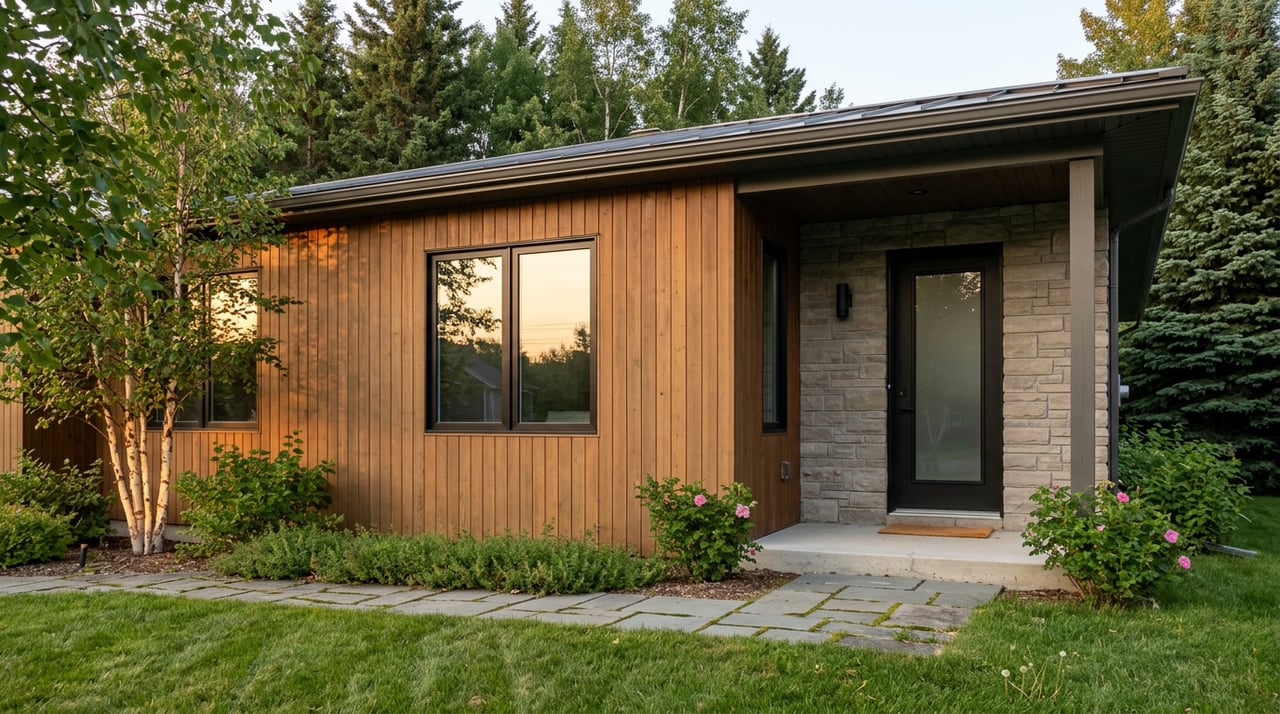
Not every home is equally comfortable or efficient in a place with long winters and major daylight swings. In Fairbanks, practical construction details matter. UAF recommends strong insulation in ceilings, walls, floors, and crawl spaces, along with vapor barriers on the warm side and vented roof cavities.
It also notes that kitchens, bathrooms, and laundry rooms should have exterior ventilation. Modern energy-efficient Alaska housing commonly uses mechanical ventilation such as a heat-recovery ventilator. Storm doors or enclosed entry areas are also desirable in arctic climates.
Features Worth Noticing When You Tour Homes
If you are comparing properties in Fairbanks, it helps to look beyond finishes and square footage. A home’s comfort and performance often come down to how well it handles cold, moisture, and seasonal change.
Look for signs of:
- Strong insulation throughout the home
- Good moisture control and ventilation
- Protected plumbing and dependable heating
- Windows and doors that support thermal performance
- Roof and attic design that help manage condensation
- Foundations or floor systems designed for frozen ground
- Entry spaces that reduce heat loss during winter use
This is where local guidance really matters. Two homes may look similar online, but they can live very differently once winter arrives.
What Seasons Mean for Buyers and Sellers
For buyers, understanding Fairbanks seasons helps you focus on what actually affects your daily life. The big questions are often practical ones: How does the house handle winter? What will summer yard use look like? Does the property support the hobbies and routines you care about?
For sellers, seasonal awareness can help shape how you present your property. A home with thoughtful winter features, practical drainage, functional entry space, or a usable gardening setup may resonate more when those strengths are clearly understood.
For out-of-state and remote buyers especially, this local context can make a huge difference. Fairbanks homes are best judged not only by appearance, but by how they function through the full year.
If you are planning a move in Fairbanks or anywhere in Interior Alaska, working with someone who understands both the market and the practical side of homes can help you make a more confident decision. When you are ready to talk through neighborhoods, property types, or what seasonal living may look like for you, connect with Danny Larranaga.
FAQs
How cold does winter get in Fairbanks?
- Climate normals for Fairbanks International Airport show January averages around 0.6°F for the high and -17.2°F for the low.
How much daylight does Fairbanks get in summer and winter?
- Around the June solstice, Fairbanks gets about 21 hours 50 minutes of daylight, while around the December solstice it gets about 3 hours 41 minutes.
What home features are helpful for Fairbanks winters?
- Useful features often include dependable heating, strong insulation, protected plumbing, good ventilation, storm doors or enclosed entries, and construction details that help manage moisture and frozen-ground conditions.
Is gardening realistic for homeowners in Fairbanks?
- Yes. UAF materials indicate gardening can work well with planning, especially when a property has a sunny, well-drained site, access to water, raised beds, and some wind protection.
What should buyers watch for in a Fairbanks home during spring?
- Spring is a good time to check roofs, vents, drainage, moisture patterns, and any signs of settlement or thaw-related issues.
Why do Fairbanks seasons matter so much when buying a home?
- The large swings in temperature, snowfall, and daylight affect how a home functions across the year, so seasonal performance is a major part of long-term comfort and upkeep.