Wondering what everyday life in Fairbanks really feels like? If you are thinking about a move, the extremes can sound exciting and a little uncertain at the same time. You want the real picture on daylight, winter prep, housing, commutes, and the local rhythm so you can plan with confidence. This guide offers a calm, practical look at daily life in Interior Alaska and how to prepare well. Let’s dive in.
Fairbanks at a glance
Fairbanks sits within the Fairbanks North Star Borough, a large, low‑density region of Interior Alaska. The borough counted about 95,600 residents at the 2020 Census, with a July 1, 2024 estimate of 94,951. Daily travel is manageable, with a mean commute of about 19.2 minutes. Housing is mixed, with a borough‑level median owner value near 298,200 dollars and median gross rent around 1,459 dollars. You can confirm these baseline figures on the U.S. Census Bureau’s QuickFacts page for the Fairbanks North Star Borough.
Seasons and daylight
Summer light and energy
Around June 21, you get roughly 21 to 22 hours of daylight. Even when the sun dips, civil twilight keeps the sky bright, so evenings feel long and lively. People garden late, fish after dinner, and plan social time outside because it simply never feels fully dark. For a simple daylight reference by month, see the Fairbanks table on Alaska.org.
Winter darkness and rhythm
Around December 21, daylight drops to about 3 to 4 hours. You will lean on routines, cozy indoor time, and outdoor activities that fit the light and temperature. Good lighting at home, a consistent sleep schedule, and winter hobbies help you settle into a steady rhythm.
Temperatures you can expect
Fairbanks has a true Interior Alaska climate: very cold, long winters and short, warm summers. Monthly normals hover near an average of about -8°F in January, while July daily highs are typically in the low 60s°F. The air is dry for much of the year, snowfall is seasonal, and daily temperature swings can be large. For official monthly normals and station data, see NOAA’s summary for Fairbanks International Airport.
Winter living basics
Home and car prep
You will want a clear plan for winter. Focus on:
- Reliable, efficient heating and insulation throughout the home.
- Roof condition and drainage that handle snow and freeze‑thaw.
- Vehicle block heaters or battery strategies, plus snow tires.
- A simple winter gear setup: base layers, a warm parka, boots, hat, and gloves.
Permafrost and foundations
Discontinuous permafrost can exist in parts of the Interior. Smart site selection and well‑chosen foundations reduce movement from frost heave. For background on design approaches used in Arctic and Interior climates, the University of Alaska Fairbanks offers a building design resource that helps explain the basics.
- Reference: UAF building design guidance
Summer realities
Mosquitoes and wildfire smoke
After thaw and during wet spells, mosquitoes are common. Most locals carry repellent and plan for layers in June and July. In some years, regional wildfires can affect air quality during summer. Research on Alaska wildfire smoke trends highlights that smoke impacts can vary by season and year.
- Background reading: Peer‑reviewed research on Alaska wildfire smoke
Night skies and aurora
Fairbanks is one of the better small cities in the world to see the northern lights. Typical aurora season runs from late August through mid‑April, with the best odds on clear, dark nights. For current forecasts, live cameras, and tips, the University of Alaska Fairbanks Geophysical Institute maintains a reliable, local resource.
- Forecasts and tips: UAF Geophysical Institute aurora forecast
Getting around
Commutes and daily driving
Most residents drive. The mean one‑way commute is about 19.2 minutes, which points to short or moderate trips compared with larger metros. Winter can slow traffic at times, so plan for safe speeds and a little buffer. Public transit exists, but frequency is limited compared with big cities. For a commute baseline, see the borough’s QuickFacts entry.
Air travel
Fairbanks International Airport is the practical air gateway for Interior Alaska. You will find regular service to major in‑state hubs and seasonal routes. Schedules change by season, so check flight times when planning trips.
Work, services, and healthcare
Fairbanks serves as a regional center for jobs and services. Major employers include the local military installations, the University of Alaska Fairbanks, the regional hospital system, the school district, and state services. UAF’s campus adds research, arts, events, and steady energy to the community throughout the year.
- Learn more about UAF: University of Alaska Fairbanks
Fairbanks is also the Interior’s healthcare hub. Fairbanks Memorial Hospital, operated by Foundation Health Partners, anchors a regional campus with clinics and specialty care. For program details and updates, check the health system’s information page.
Housing and neighborhoods
Typical homes
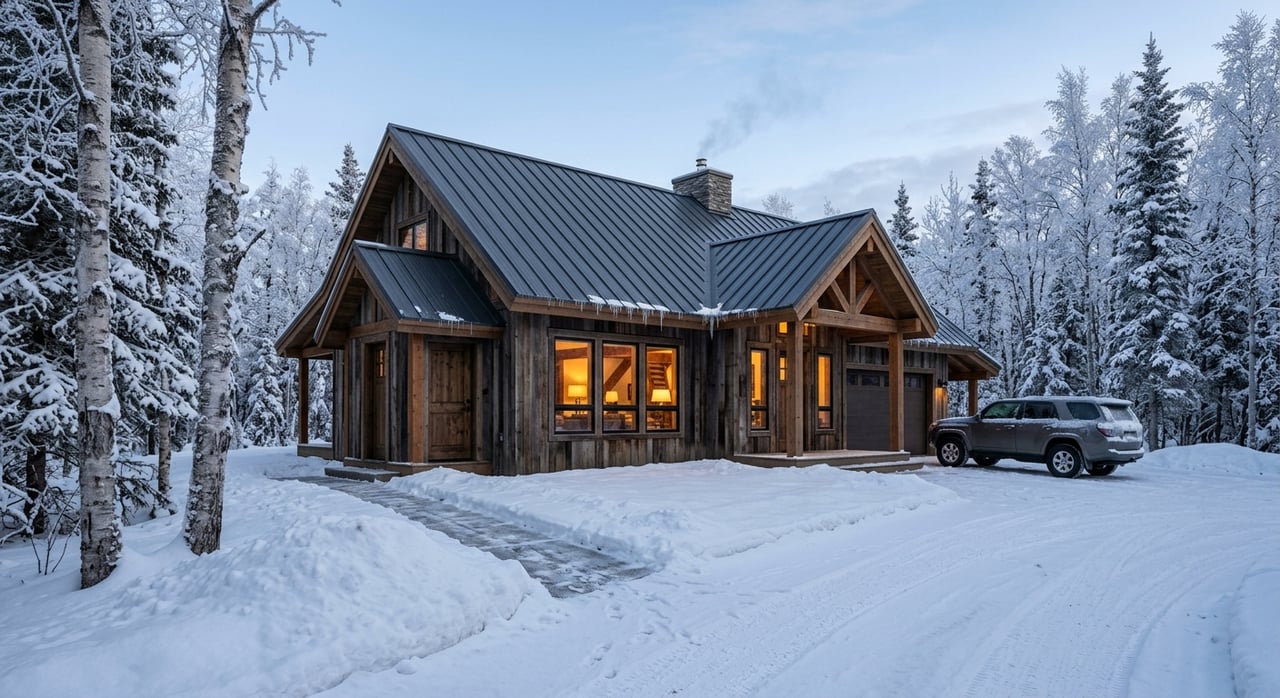
The area is dominated by single‑family homes across a wide range of ages and styles. You will also see neighborhoods with manufactured homes and small apartment buildings closer to town. Log and timber homes appear on larger rural lots, though they make up a smaller share of the overall stock.
- Data source: U.S. Census Bureau QuickFacts
Costs and utilities
At the borough level, the median value of owner‑occupied housing is about 298,200 dollars, and median gross rent is about 1,459 dollars. The owner‑occupied rate sits near 61.7%. Heating is a larger budget line than in most of the lower 48. Fuel types vary by location and home: natural gas access, fuel oil with delivery, and wood all show up in the housing mix. Confirm the heating system, fuel source, and insulation when you evaluate a property.
- Source: U.S. Census Bureau QuickFacts
What to check when buying
Here is a quick buyer’s checklist tailored to Interior Alaska:
- Foundation type, site drainage, and any signs of frost movement.
- Heating system, fuel source, delivery logistics, and recent service records.
- Insulation, windows, and energy efficiency improvements.
- Roof age, snow load history, and ventilation.
- Water and sewer setup, including insulated lines where relevant.
- Driveway grade, winter access, and plowing needs.
For a deeper look at design considerations in cold climates, UAF’s building guidance is a helpful primer.
- Reference: UAF building design guidance
Recreation and community
Fairbanks celebrates the light and the seasons. In summer, you will find river days, hiking, gardening, and events that stretch comfortably into late evening. A signature tradition is the Midnight Sun Game, a baseball game that begins near midnight on the summer solstice. Year‑round, locals enjoy the UAF Museum of the North, community festivals, and easy access to winter sports like skiing, hockey, snowmachining, and ice fishing. Denali and other wilderness areas are within day‑trip or weekend range for those who love road time and open spaces.
Is Fairbanks right for you?
If you want a smaller metro with short commutes, strong community ties, and clear seasons, Fairbanks may be a great fit. You will invest in winter prep, then enjoy some of the most vibrant summer evenings anywhere. Housing requires close attention to heating, foundations, and lot conditions, but the payoff is a lifestyle that pairs outdoor access with a practical, down‑to‑earth pace.
If you would like an honest, local look at homes that fit your goals, schedule a conversation. You can Schedule Free Consultation with Danny Larranaga to map your move with clarity and plan each step with confidence.
FAQs
How dark is winter in Fairbanks?
- Around December 21, expect about 3 to 4 hours of daylight, with long nights and useful twilight periods.
What is summer daylight like in Fairbanks?
- Around June 21, Fairbanks sees roughly 21 to 22 hours of daylight, and it rarely feels fully dark due to extended twilight.
Will I see the northern lights often in Fairbanks?
- Fairbanks offers strong aurora odds from late August through mid‑April, and you can time outings using UAF’s local aurora forecast.
Do I need a car to live in Fairbanks?
- Most residents drive; public transit is limited compared with large cities, and winter conditions can slow travel at times.
How long are commutes in Fairbanks?
- The mean one‑way commute is about 19.2 minutes across the borough, which suggests short to moderate daily drives.
What are typical home costs in the Fairbanks North Star Borough?
- The median owner‑occupied value is about 298,200 dollars and median gross rent is about 1,459 dollars based on ACS data.
What is healthcare access like in Fairbanks?
- Fairbanks Memorial Hospital anchors the regional healthcare system with clinics and specialty services serving Interior Alaska.