If you are thinking about moving to North Pole, Alaska, you are probably wondering whether the city is more than its famous name. The short answer is yes. North Pole offers a small-community setting near Fairbanks, a distinct local identity, and a lifestyle shaped by Interior Alaska weather, commuting patterns, and year-round recreation. If you want a clearer picture of daily life here before you buy, this guide will walk you through what to expect. Let’s dive in.
North Pole at a glance
North Pole is a small incorporated city in the Fairbanks North Star Borough. The 2020 Census counted 2,243 residents, and more recent ACS estimates place the population at about 2,370 people across 4.1 square miles, which comes out to roughly 580 people per square mile. According to the U.S. Census Bureau, it is also nowhere near the geographic North Pole, sitting about 1,700 miles away.
That small scale shapes a lot of what daily life feels like. You are in a real community with local gathering spots and city identity, but you are also tied closely to the broader Fairbanks area for work, shopping, and services.
The community has a distinct identity
One thing that makes North Pole stand out is its holiday-themed civic image. Local city materials highlight holiday street names, candy-cane style streetscape details, and winter events that reinforce the city’s character. According to the City of North Pole budget book, the winter festival includes fireworks, a candle-lighting ceremony, Christmas in Ice carving, and tree lighting.
Santa Claus House is also a well-known local landmark and a year-round stop for visitors and residents alike. That theme is part of the city’s personality, but daily life here is still grounded in practical routines, commuting, home maintenance, and making the most of the seasons.
Commuting to Fairbanks is common
North Pole sits southeast of Fairbanks along the Richardson Highway, which makes commuting part of normal life for many residents. If you work in Fairbanks or need regular access to the airport and other parts of the borough, North Pole is close enough to keep those trips manageable. The Alaska Department of Transportation and Public Facilities notes that the borough’s MACS transit system also serves North Pole and connects to Fairbanks destinations, including the airport.
Even so, daily life here is strongly car-oriented. Data USA reports an average commute of 23.5 minutes, with 80.3% of workers driving alone and 15.1% carpooling. The same source reports an average of 3 cars per household, which gives you a good sense of how important personal vehicles are in this area.
Errands center around a few local hubs
While most households rely on a car, North Pole does have a few familiar community nodes that support everyday errands. Data USA notes that the Green Line bus route connects stops such as the library, North Pole High School, North Pole Mall, Wescott Pool, and Santa Claus House.
That pattern tells you something useful as a buyer. North Pole is not built around dense, walkable blocks. Instead, daily routines tend to revolve around a few practical destinations and easy road access.
Housing feels more spread out
If you are comparing North Pole with Fairbanks proper, one of the biggest differences is often the overall feel. North Pole’s housing base is modest in size, with Census Reporter estimating 969 housing units. Data USA reports a 2024 median property value of $289,400 and a homeownership rate of 55.9%.
Taken together, those numbers suggest a lower-density residential environment where space, yard use, parking, and access to main roads often matter in day-to-day living. The available sources do not clearly verify the exact mix of detached homes versus multifamily housing, so the safest takeaway is that North Pole generally feels more spread out than the urban core of Fairbanks.
What buyers often notice first
For many buyers, the appeal of North Pole is not just the city name or themed identity. It is the balance of a quieter residential setting with access to the larger Fairbanks market. If you want a little more breathing room without feeling cut off from jobs, services, and amenities, North Pole can be a practical option to explore.
This is also where local guidance matters. In Interior Alaska, homes can vary widely in lot layout, winter access, maintenance needs, and how they function across the seasons. A practical review of the property and its setting is just as important as square footage or finishes.
Weather shapes everyday life
Climate is one of the biggest factors in what it feels like to live in North Pole. NOAA normals for nearby Fairbanks International Airport show a January average high of 0.6°F and an average low of -17.2°F. In July, the average high is 72.7°F and the average low is 53.1°F, with annual snowfall totaling 64.6 inches, according to NOAA climate normals.
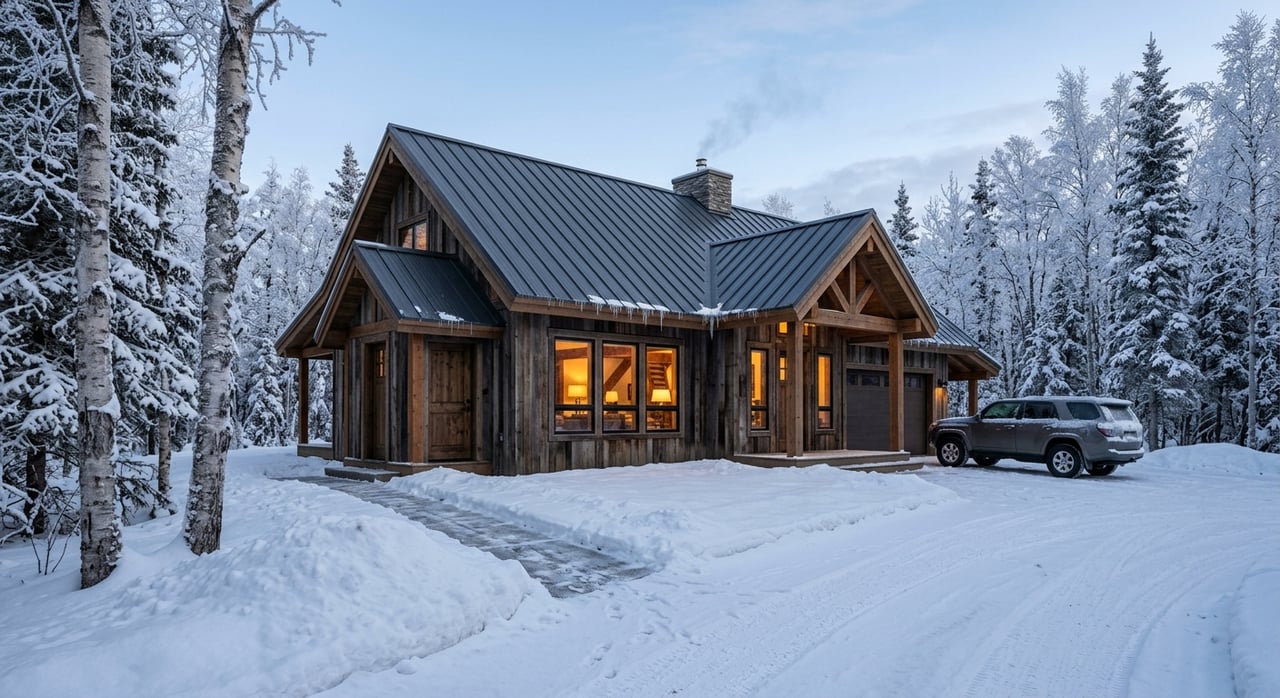
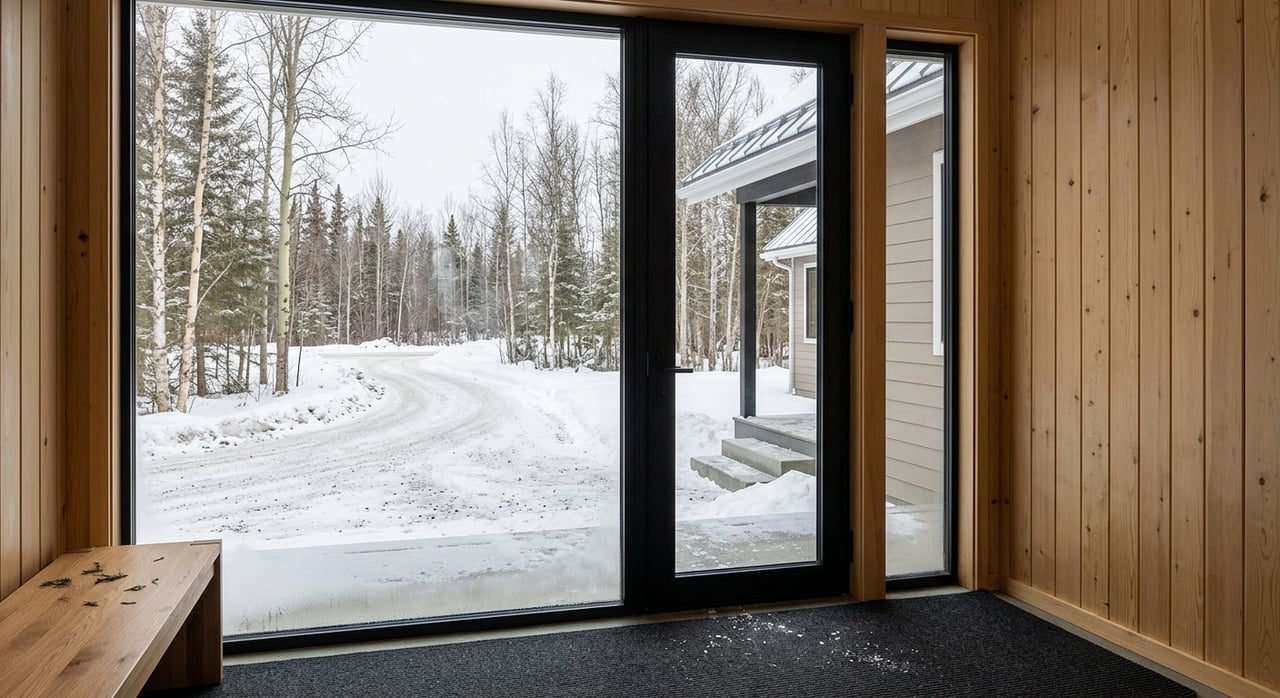
That means winter preparation is not a side issue. It is part of everyday living. Snow removal, cold-weather vehicle readiness, and a home that supports your routine through long winters all matter if you plan to live comfortably here.
Seasonal planning matters when choosing a home
For buyers, North Pole’s climate affects more than just your wardrobe. It can influence how you think about commute setup, parking, storage, and how a home supports winter maintenance. In a place with real snow and deep cold, practical details often carry more weight than they would in milder markets.
This is especially important if you are relocating from out of state. A home can look great online and still raise questions once you consider winter access, lot use, and day-to-day function during Interior Alaska’s coldest months.
Recreation helps balance the seasons
Even with a demanding climate, North Pole offers year-round amenities that help support daily life. The Fairbanks North Star Borough facilities page describes Chena Lake Recreation Area in North Pole as a large recreation area with a swim beach, trail network, campgrounds, ice fishing, and access to the Chena River.
That same borough source highlights the North Pole Branch Library as a community anchor with Wi-Fi, public computers, study rooms, a fireplace lounge, walking paths, and a community garden. Wescott Pool adds another local recreation option for residents who want indoor activity close to home.
Daily life is both indoor and outdoor
What this often means in real life is balance. North Pole gives you access to outdoor recreation when the weather supports it, but it also offers indoor civic spaces that make routines easier throughout the year.
For many households, that combination is part of the appeal. You get a smaller community feel with practical amenities nearby, while still staying connected to the larger Fairbanks area.
Who North Pole may suit best
North Pole can make sense for a range of buyers, but it tends to stand out for people who want a quieter residential environment near Fairbanks. If you expect to commute, value extra room, or want a setting that feels less dense, the city may be worth a serious look.
It can also be a strong option if you are comfortable with a car-based lifestyle and understand that climate will shape daily routines. Buyers who do best here usually think about the whole picture, including commute, lot use, winter readiness, and how the home will function year-round.
How to evaluate a move to North Pole
If you are deciding whether North Pole is right for you, focus on a few practical questions:
- How often will you commute into Fairbanks?
- Do you want a quieter setting than Fairbanks proper?
- Are you prepared for winter driving, snow management, and cold-weather homeownership?
- Do you want access to recreation like Chena Lake, the library, and local community destinations?
- Would a more spread-out residential feel fit your lifestyle better?
The right answer depends on your priorities. North Pole is not trying to be a dense urban center. Its appeal is in its small scale, recognizable identity, connection to Fairbanks, and the kind of daily life that comes with living in Interior Alaska.
If you are considering buying in North Pole or anywhere in the Fairbanks area, working with someone who understands both the market and how homes function in this climate can make the process much clearer. Danny Larranaga brings deep local roots, practical property insight, and steady guidance to help you compare communities and make a confident move.
FAQs
What is everyday life like in North Pole, Alaska?
- Everyday life in North Pole is shaped by a small-community setting, regular car travel, access to Fairbanks for commuting and services, and seasonal routines tied to Interior Alaska weather.
Is North Pole, Alaska close to Fairbanks?
- Yes. North Pole is southeast of Fairbanks along the Richardson Highway, and many residents commute to Fairbanks for work, errands, and airport access.
What is the housing feel in North Pole, Alaska?
- North Pole generally feels more spread out than Fairbanks proper, with a modest housing base, a 55.9% homeownership rate, and a lower-density residential pattern.
What is the weather like in North Pole, Alaska?
- North Pole experiences very cold winters and mild summers, with nearby NOAA data showing January average temperatures near 0.6°F for highs and -17.2°F for lows, plus 64.6 inches of annual snowfall.
Are there things to do in North Pole, Alaska year-round?
- Yes. Local options include Chena Lake Recreation Area, the North Pole Branch Library, Wescott Pool, and seasonal community events tied to the city’s holiday-themed identity.