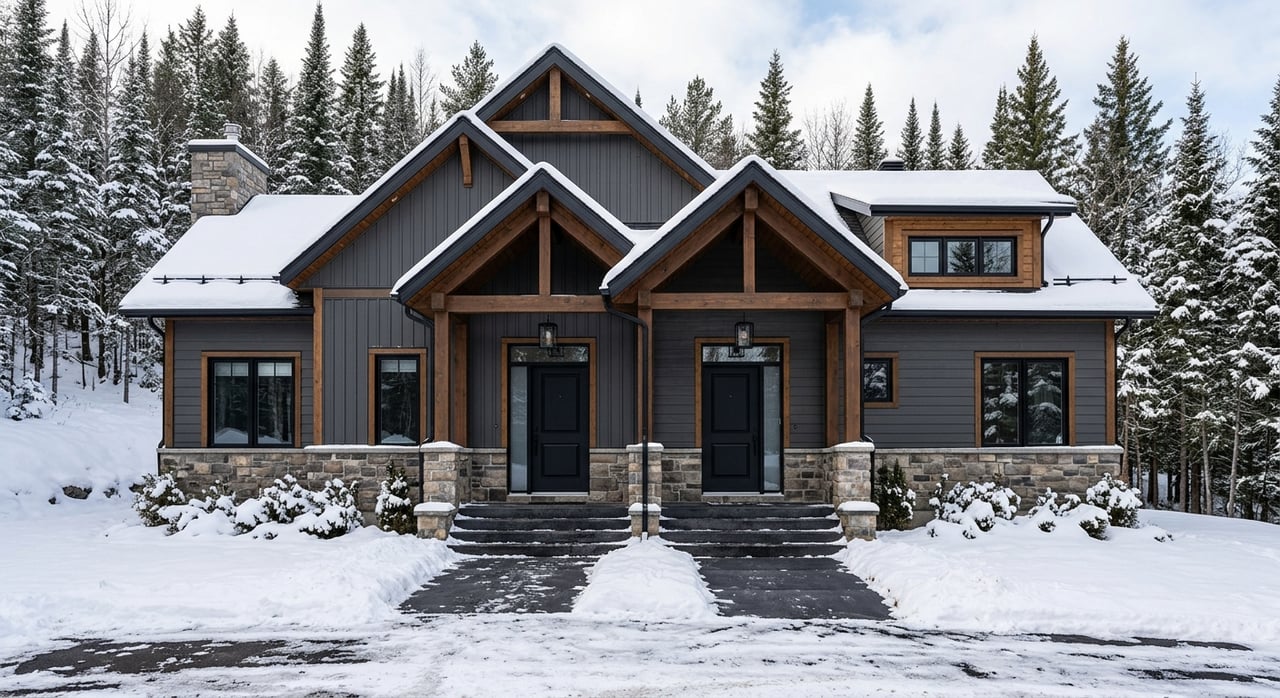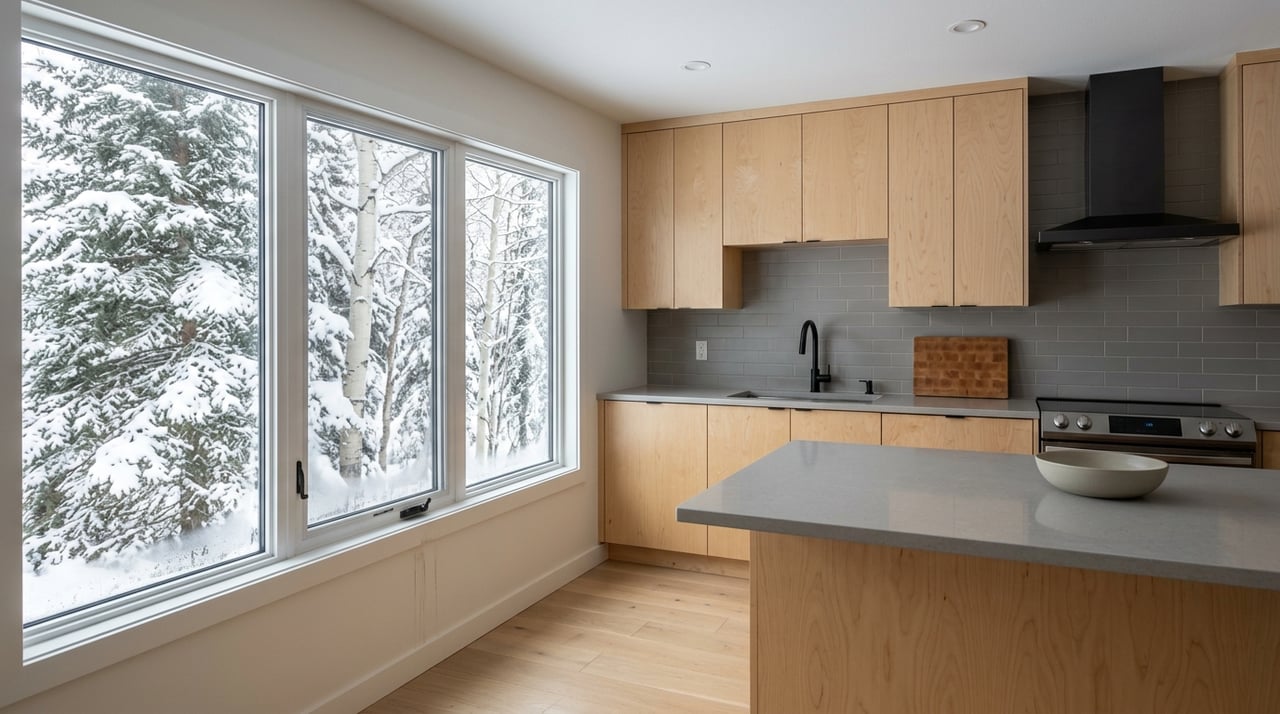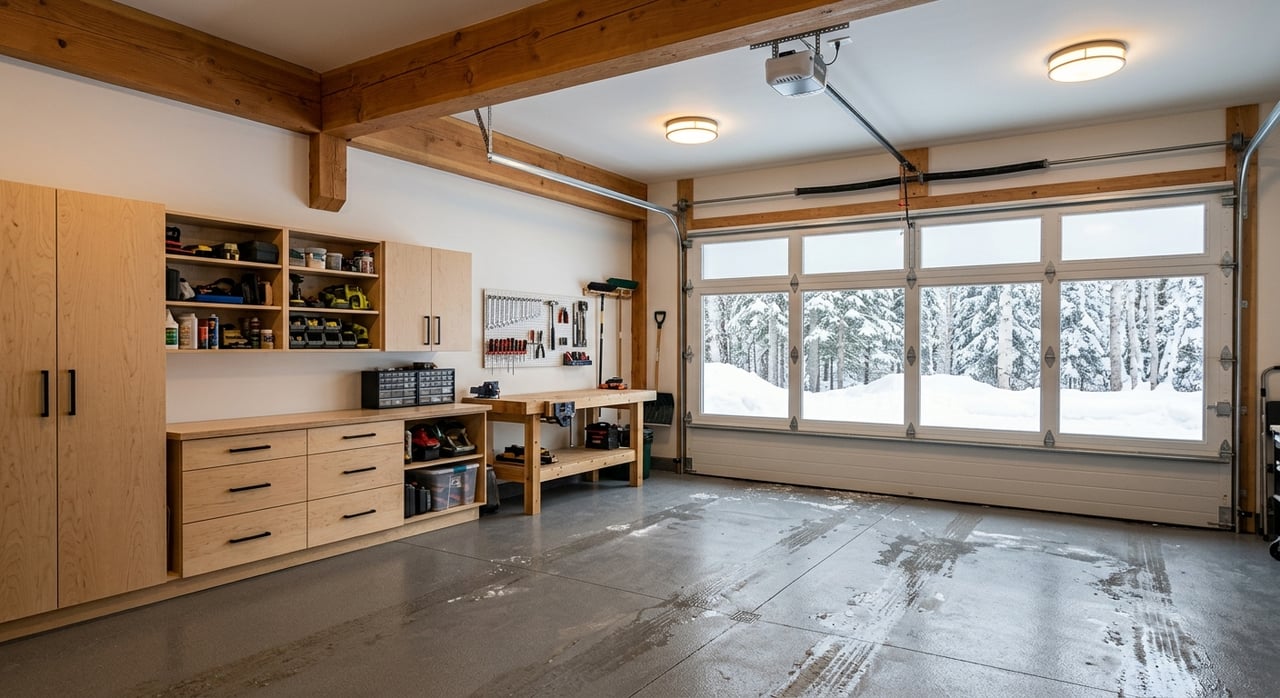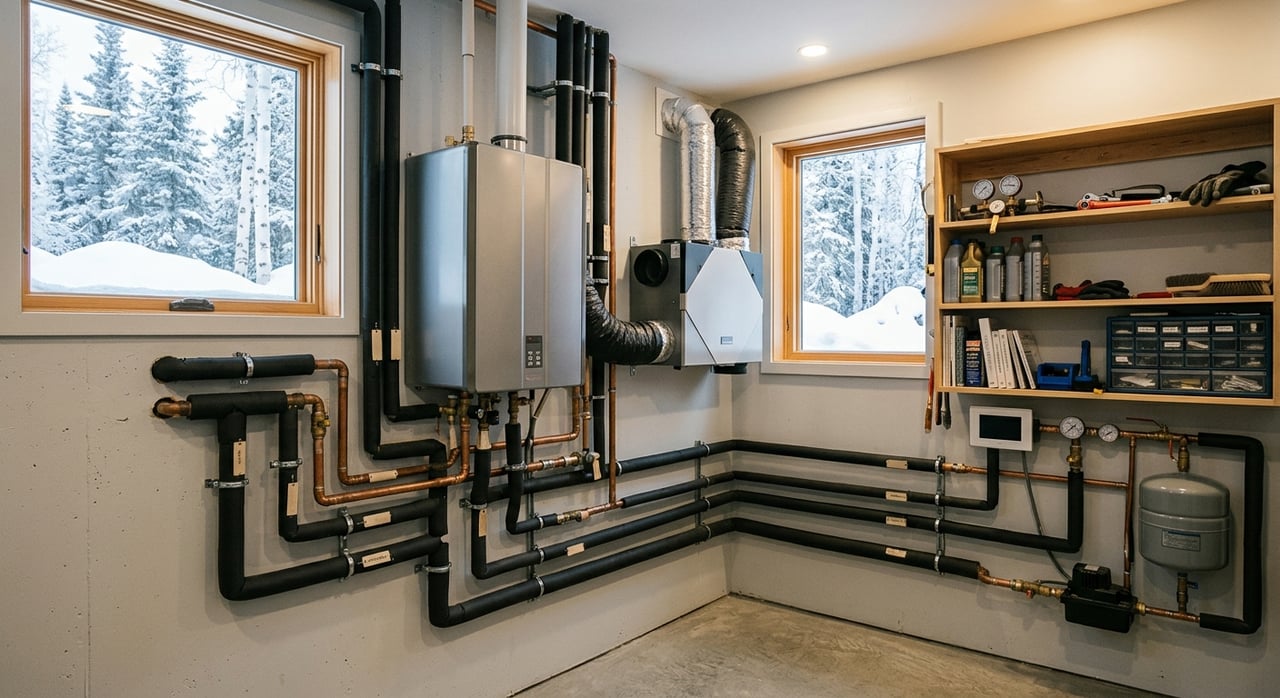
Buying a home in Fairbanks means looking beyond paint colors and floor plans. In a place where winter conditions can put real stress on a property, your home inspection is one of the best tools you have to understand how a home is performing right now. If you know what an inspection covers, what it may miss, and which issues matter most locally, you can move forward with more clarity and confidence. Let’s dive in.
What a home inspection means in Alaska
In Alaska, a home inspection is a visual examination of the readily accessible parts of a residence or intended residence. That includes key systems and components such as heating and air-conditioning, plumbing, electrical, built-in appliances, roof and attic areas, visible insulation, walls, ceilings, floors, windows, doors, foundation, basement, visible interior and exterior structures, and drainage.
That definition matters because it sets the right expectation from the start. A home inspection is a current-condition review of what can be seen and accessed, not an invasive engineering study or a guarantee that no hidden issues exist behind walls, under finishes, or in blocked-off areas.
Why inspections matter so much in Fairbanks
Fairbanks homes deal with long, severe winters, and the local climate makes certain parts of a house especially important. NOAA climate normals for Fairbanks International Airport show average lows of -17.2°F in January and -13.0°F in December, which helps explain why heat, insulation, and freeze protection deserve close attention.
For buyers, that means an inspection report is not just a general checklist. In Fairbanks, it can reveal how well a home may handle cold weather, moisture management, and site conditions that can affect comfort, maintenance, and future repair costs.
What inspectors usually focus on
Heating system performance
In Fairbanks, the heating system is often at the top of the list. The University of Alaska Fairbanks notes that cold-weather problems with fuel-fired appliances are often linked to inadequate fuel flow or blocked ventilation, and oil and propane systems can freeze up in severe cold.
During the inspection, you should expect a visual review of the heating system and any visible concerns tied to its operation or condition. If something appears unsafe, poorly vented, or not functioning as expected, that usually deserves prompt follow-up.
Plumbing and freeze risk
Plumbing is another major area for buyers to watch. UAF advises that pipes in unheated areas should be enclosed and insulated to help prevent freeze-up, which makes exposed or vulnerable plumbing a practical concern in this market.
An inspector may note visible plumbing in unheated or exposed spaces, signs of past freeze issues, or conditions that suggest added protection may be needed. What they cannot do is confirm every hidden pipe condition inside walls or areas that are not readily accessible.
Roof, attic, insulation, windows, and doors
These parts of the home are all within Alaska’s inspection scope, and they matter a great deal in Interior Alaska. Heat loss, moisture issues, and air leaks can all affect how a home performs through the winter.
A home inspector may flag visible missing insulation, moisture staining, signs of poor venting, or conditions around windows and doors that appear worn or inefficient. The report can be very useful here, but it is still based on visible conditions rather than destructive testing.
Foundation and drainage
Foundation and drainage deserve careful attention in the Fairbanks area. UAF explains that permafrost occurs in discontinuous patches in the Tanana Valley near Fairbanks, and that disturbing permafrost can lead to uneven foundation settling.
Drainage matters too because permafrost is nearly impermeable to moisture. If water is not moving away from the home properly, that can become a bigger issue over time, especially where site conditions are already sensitive.
Fairbanks issues that may need extra follow-up
Permafrost-related concerns
One of the most important local realities is that an inspection may identify signs of movement or drainage concerns without being able to tell you the full cause. UAF guidance notes that when permafrost conditions may be involved, architects, engineers, and contractors experienced with Arctic building problems may be needed for a deeper evaluation.
That means a home inspection can be the first step, not always the final answer. If the report mentions uneven settling, drainage patterns, surface movement, or related concerns, it may make sense to bring in a specialist before you move forward.
A recent UAF-led survey published in 2023 adds useful context. It found that about half of Fairbanks homeowners had been affected by permafrost thaw, about one third had experienced foundation issues, and other impacts included driveway heaving and septic system issues.
Accessory buildings and outbuildings
If the property includes a detached garage, shed, or other outbuilding, do not assume it is automatically part of the inspection. Alaska’s statutory definition focuses on the residence and its readily accessible systems and components, so coverage of accessory structures should be confirmed in advance through the inspection agreement.
This is an easy detail to miss, especially if an outbuilding is important to how you plan to use the property. Ask early so you know exactly what will and will not be reviewed.
What a home inspection may not tell you
A lot of buyer stress comes from expecting an inspection to answer every question. In Alaska, the legal scope is limited to a visual review of readily accessible areas, so some conditions may remain unknown at the inspection stage.
For example, an inspector might identify staining that suggests a moisture issue, visible foundation movement, or attic ventilation concerns. But they may not be able to confirm the full source, timeline, or extent of a hidden problem without additional evaluation.
That is not a failure of the inspection. It is simply how the process is designed, and knowing that ahead of time helps you read the report more clearly.
How to read the inspection report wisely
Once the report comes in, the most helpful approach is to sort items by priority. In Fairbanks, issues affecting heat, water, drainage, or foundation performance usually deserve more immediate attention than cosmetic defects.
A long report can feel overwhelming, especially for a first-time or relocating buyer. Instead of reacting to the number of comments, focus on what affects safety, function, winter performance, and the possibility of larger repair costs later.
Start with the big-ticket systems
Review items tied to:
- Heating equipment
- Plumbing freeze risk
- Roof and attic conditions
- Insulation and venting
- Foundation movement
- Site drainage
These systems often have the biggest effect on year-round livability in Fairbanks. They also tend to be the areas where follow-up matters most.
Separate maintenance from negotiation issues
Not every note in an inspection report should trigger alarm. Some findings are routine maintenance items, while others may point to repairs, monitoring, or specialist review.
A calm, organized review helps you decide what is simply part of homeownership and what may deserve stronger attention before closing. That is especially useful when you are comparing several concerns at once.
Use the report as a next-step tool
If the report points to conditions outside the inspector’s visual scope, treat it as a trigger for the right follow-up. In Fairbanks, that can be especially important when the report suggests possible permafrost-related movement, drainage concerns, or cold-weather system vulnerabilities.
In other words, the inspection report helps you ask better questions. It does not always provide the final diagnosis, but it gives you a clearer path to make an informed decision.
How to prepare before booking
Before you schedule a home inspection, verify that the inspector is properly registered as a home inspector or associate home inspector in Alaska and holds an Alaska business license. The state’s Division of Corporations, Business and Professional Licensing oversees this program.
It is also smart to clarify a few practical details in advance. Ask what structures are included, whether detached buildings will be inspected, and how the inspector handles hard-to-access areas.
A few good questions to ask before booking include:
- Is the inspector registered in Alaska?
- Does the inspector hold an Alaska business license?
- Are detached garages, sheds, or other outbuildings included?
- What areas may be excluded if they are not readily accessible?
- When will the written report be delivered?
Why local guidance helps during inspection season
If you are buying in Fairbanks from out of state, or even if this is your first Alaska purchase, inspection findings can feel unfamiliar fast. Terms tied to freeze protection, drainage behavior, attic conditions, or foundation movement may carry more weight here than they would in other markets.
That is where steady local guidance matters. Having someone who understands both the Fairbanks market and the practical side of homes can help you sort what is typical, what needs more review, and what could affect your decision.
A home inspection should leave you better informed, not more confused. With the right expectations and the right support, you can use the process to protect yourself and move forward with confidence.
If you want a practical, local perspective as you navigate inspections and the rest of the buying process, reach out to Danny Larranaga for clear guidance tailored to Fairbanks and Interior Alaska.
FAQs
What does a home inspection include in Alaska?
- In Alaska, a home inspection is a visual examination of the readily accessible parts of a residence, including systems and components like heating, plumbing, electrical, built-in appliances, roof, attic, visible insulation, walls, floors, windows, doors, foundation, basement, visible structures, and drainage.
What should Fairbanks buyers pay closest attention to in an inspection?
- Fairbanks buyers should pay especially close attention to heating systems, plumbing freeze risk, roof and attic conditions, insulation, windows and doors, foundation performance, and site drainage because these areas are strongly affected by local winter conditions and ground behavior.
Can a Fairbanks home inspection detect hidden problems?
- A Fairbanks home inspection is limited to a visual review of readily accessible areas, so it may identify visible warning signs but may not confirm hidden conditions behind walls, under finishes, or in inaccessible spaces.
Should a Fairbanks buyer worry about permafrost during a home inspection?
- A Fairbanks buyer should treat permafrost-related signs seriously because local guidance shows that thaw and unstable ground conditions can affect foundations, drainage, driveways, and even septic systems, and some situations may need specialist follow-up.
Are detached garages and sheds included in a Fairbanks home inspection?
- Detached garages, sheds, and other outbuildings are not something you should assume are included, so buyers should confirm coverage in the inspection agreement before the appointment.
How can a Fairbanks buyer confirm a home inspector is properly licensed?
- A Fairbanks buyer should verify that the inspector is registered as a home inspector or associate home inspector in Alaska and also holds an Alaska business license before booking the inspection.