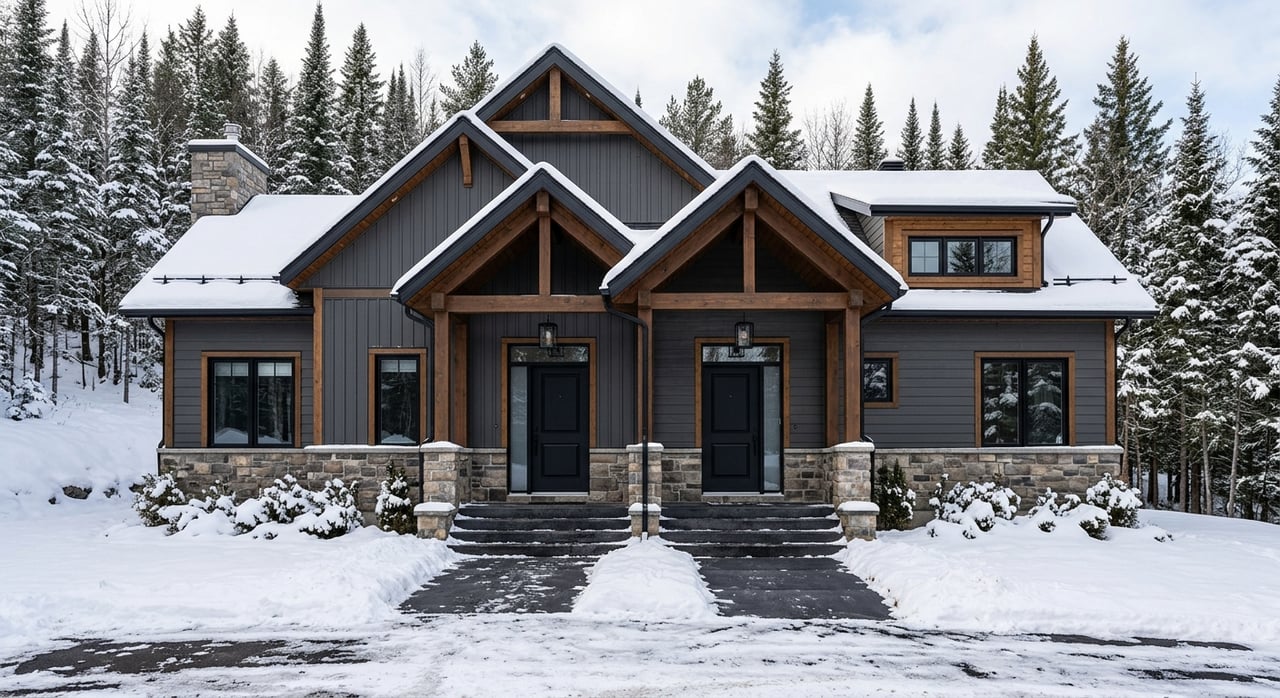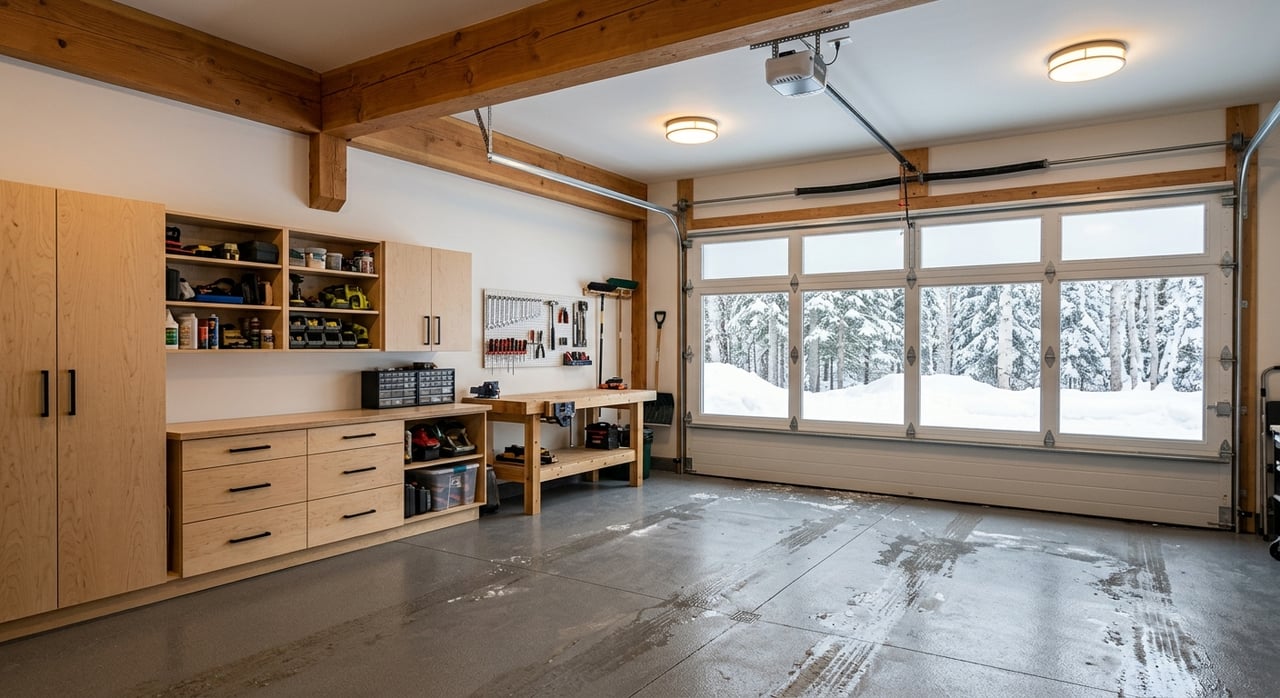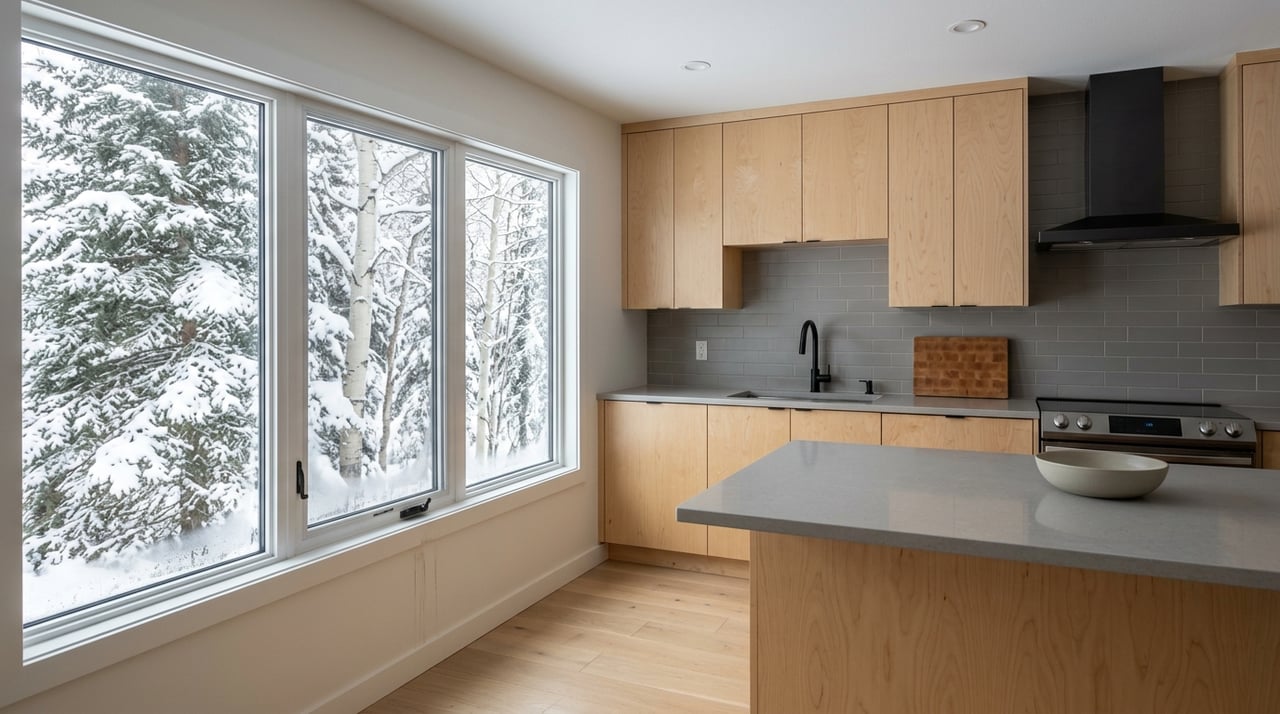
Buying a home in North Pole while living somewhere else can feel like a leap of faith. You are trying to move quickly, read a market from a distance, and judge whether a home will hold up in an Interior Alaska winter, all without being there in person. The good news is that with the right prep, the right questions, and the right local guidance, you can buy with far more clarity and confidence. Let’s dive in.
Why remote buyers need a plan
North Pole’s housing market can move fast, but not every listing follows the same pattern. As of April 30, 2026, Zillow estimated an average home value of $327,251, with 75 homes for sale and some homes going pending in about 7 days. Redfin reported a March 2026 median sale price of $372,500 and average market time of 71 days.
Those numbers are best used as directional signals, not exact rules. The practical takeaway is simple: you need to be ready to act when the right home appears, but you also need a process that helps you separate a truly solid property from one that only looks good online.
Get financing ready first
Before you schedule your first virtual tour, get your financing lined up. In a market where some homes can go pending quickly, waiting to talk to a lender can put you behind right away.
Alaska Housing Finance Corporation recommends choosing an approved lender early and taking its no-cost HomeChoice online course. Completing that course can earn up to a $250 credit on a single-family loan product. AHFC also notes that prequalification gives you a letter showing the loan amount you may qualify for, but it is not a final commitment until you formally apply for a specific property.
AHFC programs worth knowing
If you are buying your first primary home, AHFC defines a first-time homebuyer as someone who has not owned a primary residence in the last three years. It offers First Home and First Home Limited loans, along with information on veterans preference and energy-efficiency-related loan options that may matter for Alaska buyers.
If you think any of those options might fit, it helps to ask about them early. That way, you can compare homes with a realistic budget and understand which loan path matches your situation.
VA loans for eligible buyers
If you are an eligible service member or veteran, a VA-backed home loan may be an option. The VA says you will need a Certificate of Eligibility and lender approval for credit, income, and occupancy. For purchase loans, VA financing can offer no down payment when the sales price is not higher than the appraised value.
One detail matters a lot for remote buyers: a VA appraisal is not the same as a home inspection. The VA recommends getting an inspection to check for major defects, while the appraisal is mainly about value and basic property-condition compliance.
Use virtual tours the right way
A virtual tour can help you decide whether a home is worth pursuing. It should not be the only thing you rely on when making a final decision.
In North Pole, remote shopping should focus heavily on winter-condition details. The University of Alaska Fairbanks notes that Alaska winters can reach 40, 50, or even 60 below zero, and that heating-oil flow, drain pipes, and other utility systems can freeze. That means a polished listing video is only the starting point.
What to see live on video
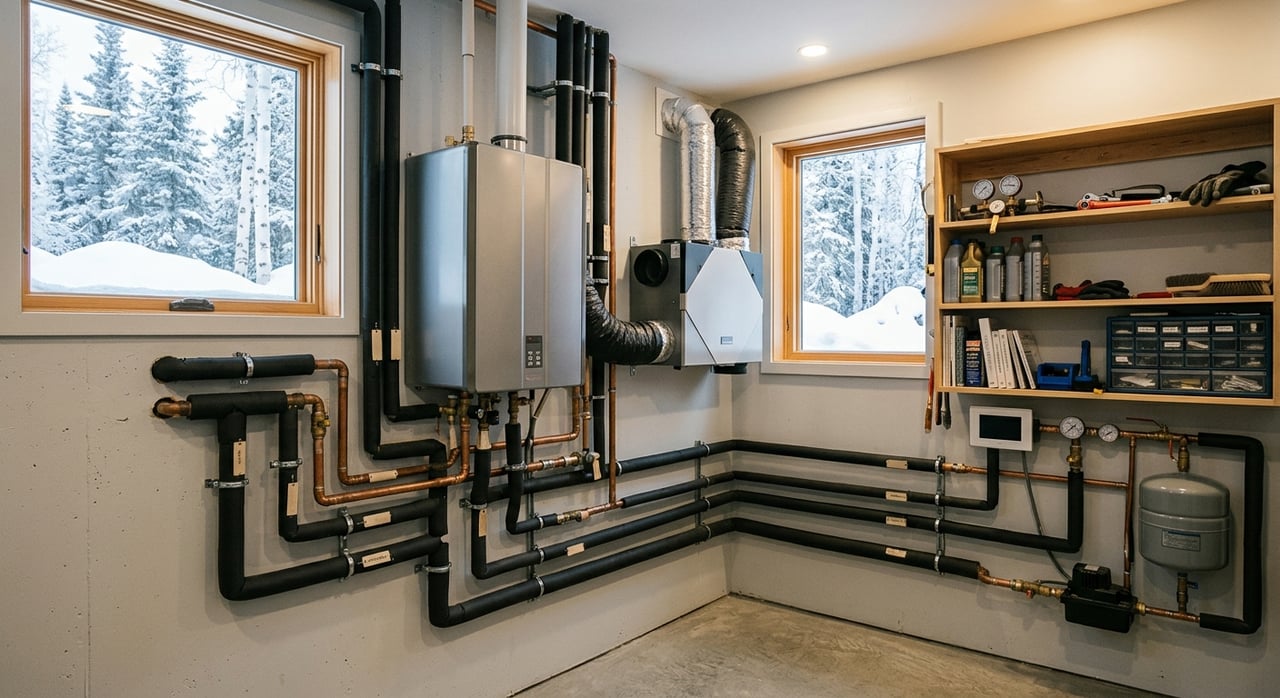
When you tour a North Pole home remotely, ask for live video of the areas that matter most in cold weather, including:
- Mechanical room
- Fuel storage
- Crawlspace or under-house areas
- Drain lines and plumbing-related areas
- Spots where freeze protection is visible
- Areas that may show water intrusion or pooling concerns
These details can tell you much more than wide-angle room shots. A home may photograph well but still raise important questions once you look at the systems that keep it functioning through winter.
What makes a home worth quick action
In a market where some homes can go pending in about a week, you need a simple way to judge whether a property deserves fast action. On a remote showing, focus on three things:
- Condition: Does the home appear well maintained beyond the cosmetic updates?
- Systems: Can you clearly evaluate heating, fuel, water-related areas, and freeze protection?
- Layout: Does the floor plan actually fit your day-to-day needs, not just look appealing on screen?
This approach helps you move quickly without becoming careless. It also keeps you from overreacting to nice photos or staging.
Inspections matter even more from a distance
If you are buying from out of state, a professional inspection is one of the most important parts of the process. The Consumer Financial Protection Bureau says buyers should get a home inspection and verify that any agreed repairs were completed before closing.
That matters in any market, but especially in a place where winter conditions can put extra stress on systems and utility areas. A virtual tour can help you narrow your choices, but it cannot replace an inspector who is evaluating the property in person.
Ask for repair follow-up
If repairs are negotiated, make sure you confirm that the work was actually completed before closing. The CFPB specifically advises buyers to verify agreed repairs before the transaction is final.
For a remote buyer, that usually means staying organized and making sure your team is aligned on what needs to be checked, documented, and confirmed.
Prepare for a mostly digital closing
The closing process can often be handled from out of state, but it still takes careful coordination. You may not need to be physically present for every document step, yet timing and communication still matter.
The CFPB says lenders must send the Closing Disclosure at least three business days before closing. It also says you can request the rest of the closing documents in advance, compare the Closing Disclosure to the Loan Estimate, and ask questions if anything changed.
Alaska supports electronic signing
Alaska law supports electronic records and signatures. State statute says a record or signature cannot be denied legal effect solely because it is electronic, and that an electronic record or signature can satisfy legal writing or signature requirements.
Alaska also allows remote online notarization when a commissioned notary is approved, uses an authorized technology vendor, and performs the act through secure synchronous audio-video with identity proofing. In practical terms, that can make an out-of-state closing much more manageable.
Do not skip the final walk-through
Even when your closing is mostly digital, the final walk-through still matters. The CFPB says buyers should do a final walk-through before signing to confirm repairs were completed and that items that were supposed to stay with the home are still in place.
If you cannot be there in person, this is where a strong local process becomes essential. Someone needs to help confirm the home matches the agreement before the final signatures happen.
Build a remote-buying team early
Distance buying works best when your team is in place before the right listing hits the market. That usually means having your lender, title company, signing process, and local agent all moving in step.
In North Pole, that coordination is especially important because the market can require quick decisions, while the property questions can be more technical than buyers from warmer states expect. You want enough speed to compete, but enough local interpretation to avoid mistakes.
A simple remote-buying checklist
If you want a practical way to stay organized, start here:
- Get prequalified before scheduling tours
- Ask whether AHFC or VA options may apply to you
- Use virtual tours to screen homes, not replace due diligence
- Request live video of heating, fuel, crawlspace, plumbing, and freeze-protection areas
- Compare homes based on condition, systems, and layout
- Order a professional home inspection
- Track all repair requests and verify completion
- Review the Closing Disclosure as soon as it arrives
- Plan for a final walk-through before signing
- Make sure your closing and notary steps are coordinated early
Why local guidance makes a difference
When you are buying in North Pole from a distance, you need more than access to listings. You need someone who can help you interpret what you are seeing, ask practical questions, and keep the process calm when timing gets tight.
That is especially true in Interior Alaska, where winter performance, utility details, and property condition can carry more weight than a buyer might expect from looking at photos alone. A steady process helps you act with confidence instead of pressure.
If you are planning a move to North Pole and want grounded local guidance, Danny Larranaga can help you navigate the process with honest insight, responsive communication, and practical support from search to closing.
FAQs
What makes remote home buying in North Pole different?
- North Pole buyers need to evaluate homes with Alaska winter conditions in mind, especially heating, fuel, plumbing, crawlspace areas, and freeze protection, while also being prepared to act quickly when the right listing appears.
What should I do before a virtual home tour in North Pole?
- Get prequalified with a lender first, because some North Pole homes can go pending in about 7 days and financing prep helps you move faster when a home fits.
What should I ask to see on a North Pole video tour?
- Ask for live video of the mechanical room, fuel storage, crawlspace or under-house areas, drain lines, visible freeze-protection features, and any signs of water intrusion.
Is a VA appraisal enough for a North Pole home purchase?
- No. The VA says the appraisal is not the same as a home inspection, so you should still get an inspection to check for major defects.
Can I close on a North Pole home from another state?
- Often, yes. Alaska recognizes electronic signatures and allows remote online notarization when legal requirements are met, but your closing still needs careful coordination among your local agent, lender, title company, and notary workflow.
Do I still need a final walk-through for a North Pole home if I am buying remotely?
- Yes. Buyers should complete a final walk-through before signing to confirm repairs were completed and that items meant to stay with the property are still there.