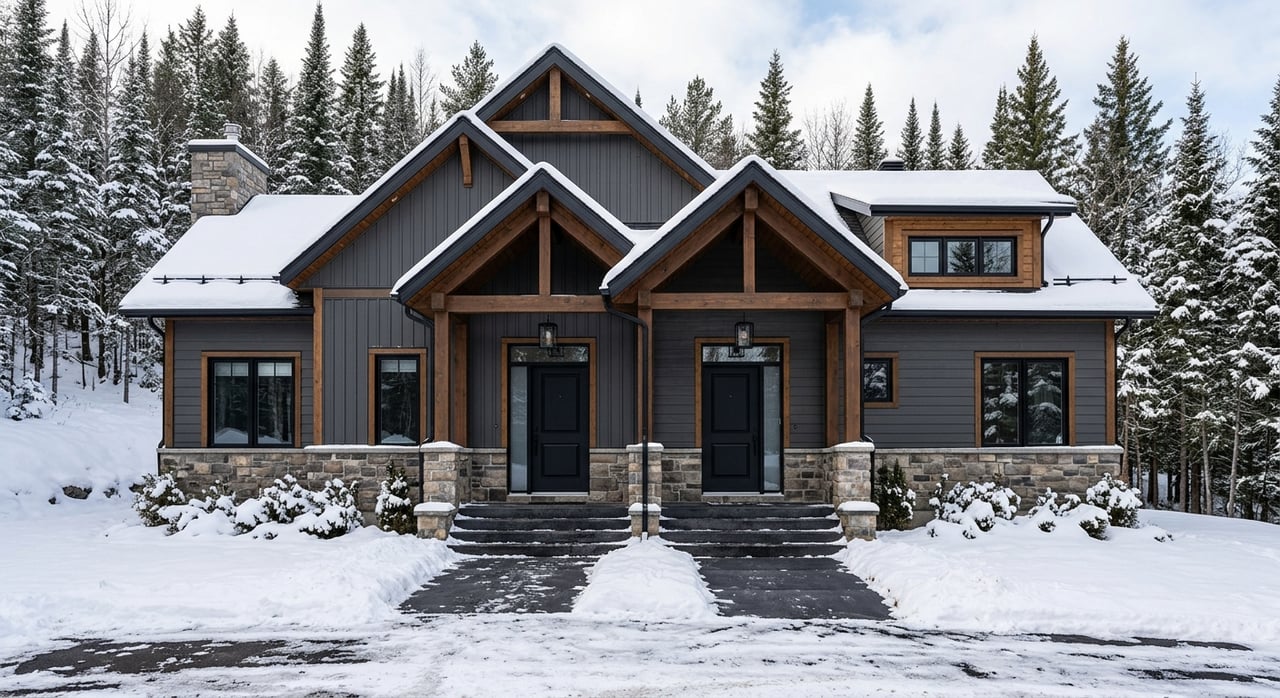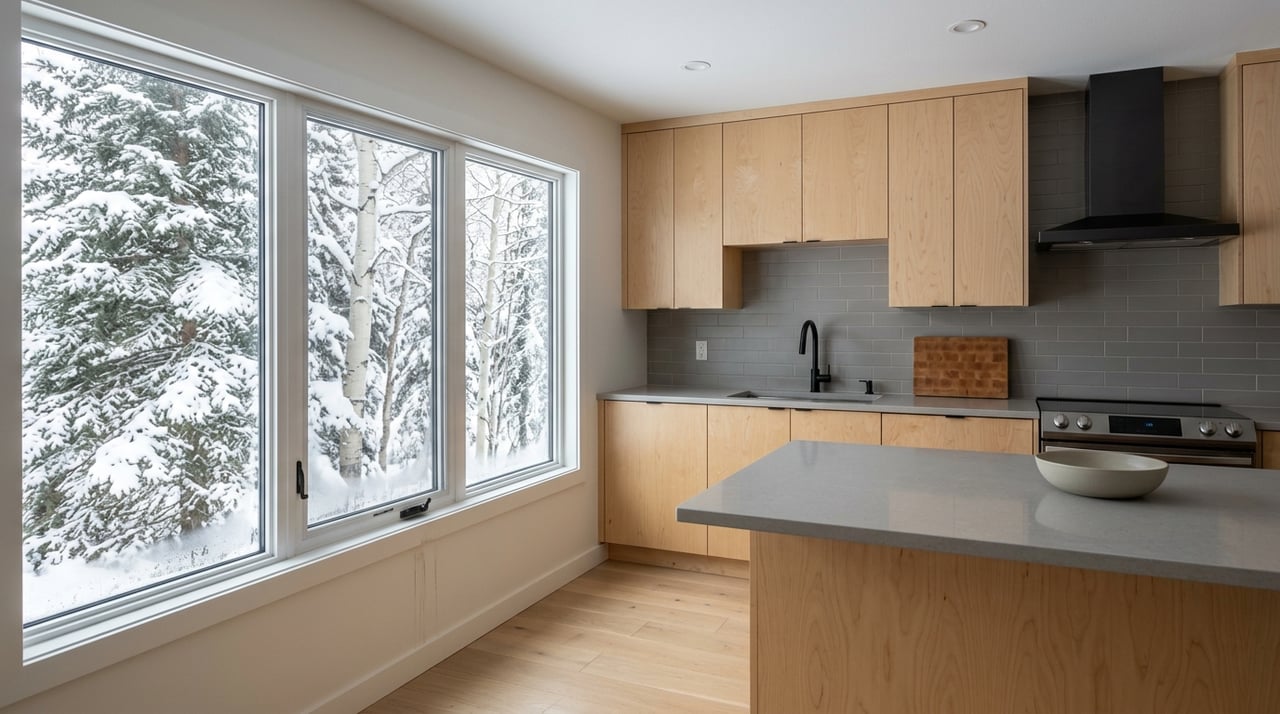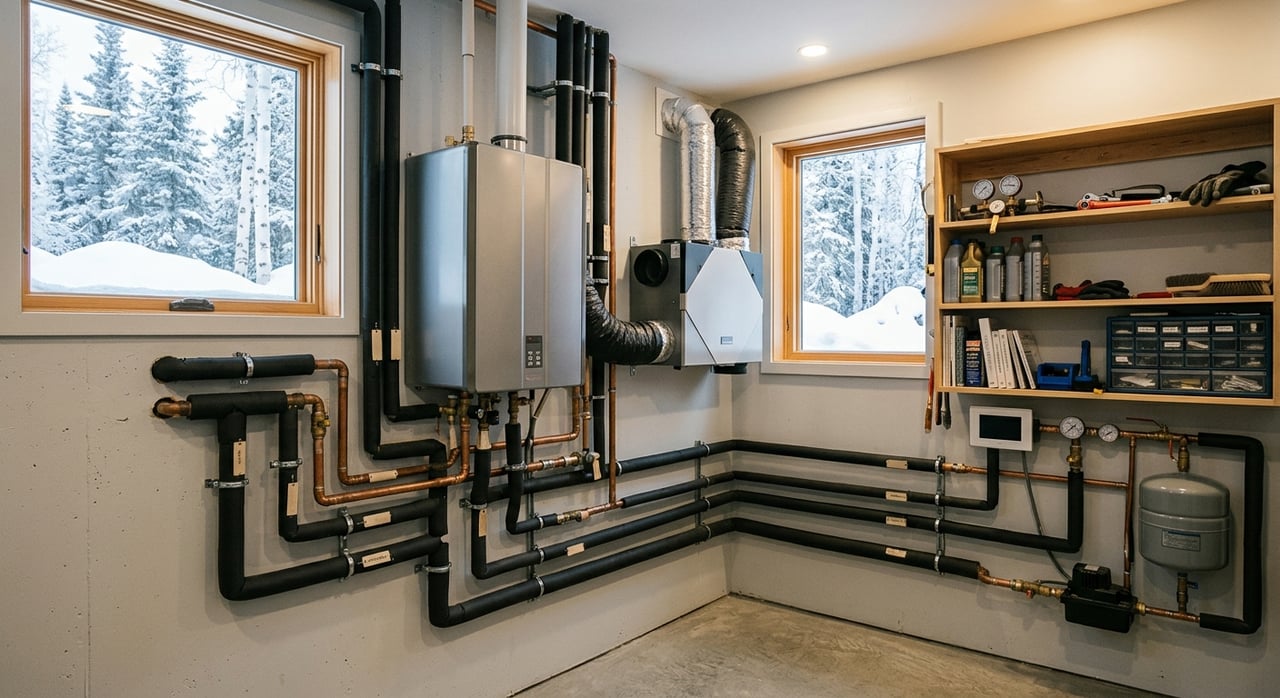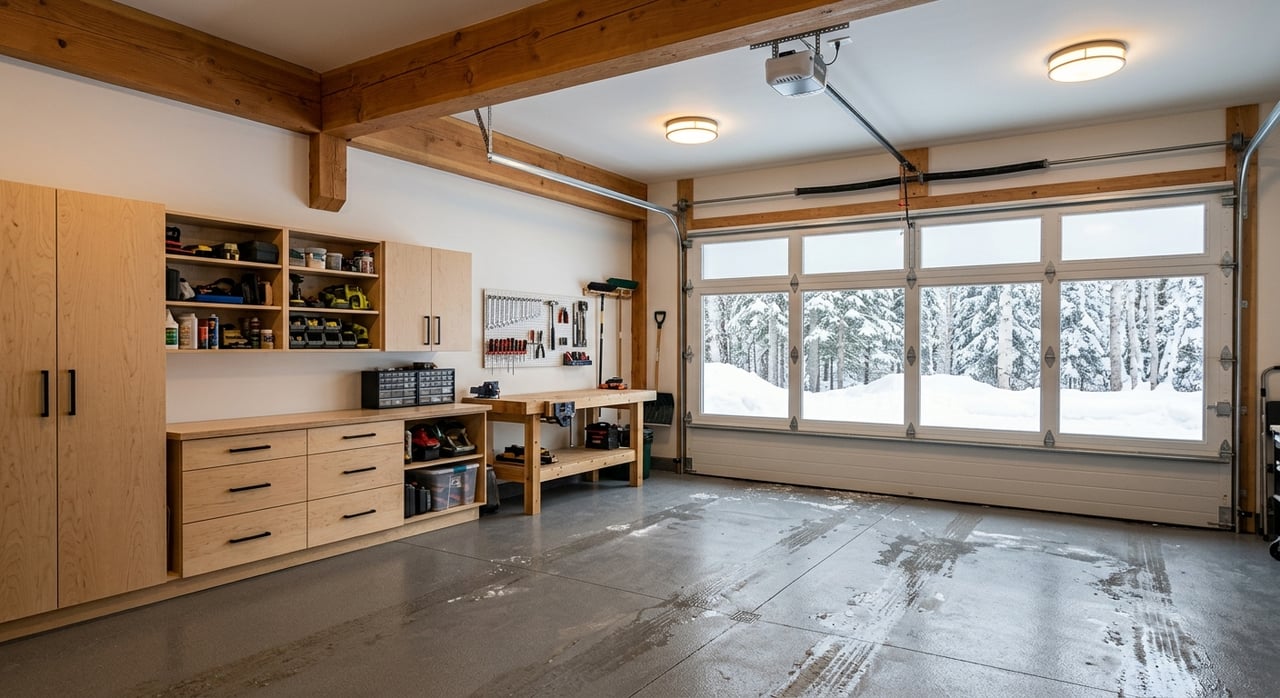
If you price your North Pole home too high, you can lose the momentum that matters most. If you price it too low, you may leave money on the table. In a market with limited sales, changing inventory, and big differences from one part of 99705 to another, the right price takes more than a quick online estimate. This guide will help you understand how pricing works in today’s North Pole market, what local buyers are really comparing, and how to make a confident listing decision. Let’s dive in.
North Pole pricing starts with the current market
North Pole’s current pricing picture sits in the mid-$300,000s, but that number needs context. Realtor.com’s March 2026 99705 data shows a median listing price of $372,450, while Redfin reports a March 2026 median sale price of $372,500. Those figures are helpful as a starting point, but they should be treated as a range, not a one-size-fits-all answer.
The reason is simple: North Pole is not one uniform market. Realtor.com’s 99705 page shows median listing prices around $325,000 in Bradway-Clear Creek, $344,999 in North Pole City, $399,000 in Badger East, and $517,500 in Lakloey-Persinger. That spread shows why pricing has to reflect your home’s specific location, features, and competition.
The broader pace of the market also deserves a careful read. Realtor.com shows a median of 30 days on market for March 2026 listings, while Redfin shows 71 median days on market for March 2026 sales. Together, those figures suggest that sellers should stay realistic and avoid relying on a single headline stat.
Why recent sales matter more here
In North Pole, thin sales volume makes pricing more sensitive. The Fairbanks North Star Borough’s MLS-based quarterly report shows 16 residential sales in 2024, after 24 in 2023 and 55 in 2022. When the number of sales is that low, even one or two unusual transactions can shift the median.
That is why broad market averages only go so far. A strong pricing strategy should lean most heavily on recent nearby closed sales that truly resemble your home. If the comparable sales are older, farther away, or very different in size or condition, the pricing recommendation gets less reliable.
This is also where local interpretation matters. In a smaller market, you are not just competing against an average. You are competing against the few homes buyers will actually compare side by side with yours.
How a list price is usually built
A smart list price is not pulled from a tax record or an automated estimate. It is built by comparing your property to similar homes with recent closed sales, while also looking at the homes currently on the market. Fannie Mae’s comparable-sales guidance says value comparisons should account for factors like site, room count, finished area, style, and condition.
Fannie Mae also requires at least three closed comparable sales in the appraisal process, with adjustments based on the market’s reaction to differences. That gives sellers a useful framework. Your list price should be tied to what buyers have recently paid for similar homes, with clear consideration for what makes your property more or less competitive.
Current inventory matters too. If buyers can choose from several similar homes, pricing needs to be especially disciplined. If your home offers a stronger overall package than competing listings, that can support a more confident asking price, but only when the market evidence backs it up.
Assessment is not the same as market value
One of the most common pricing questions in North Pole is whether your borough assessment should set your asking price. The short answer is no. The Fairbanks North Star Borough Assessing Department states that assessed value is separate from appraised or market value for tax purposes.
The borough also notes that Alaska property is appraised at 100% of market value as of January 1 for the tax year, and assessment notices are mailed near the end of January. That figure serves a tax purpose. Your asking price, by contrast, is a marketing decision based on current comparable sales, your home’s condition, and the competition at the time you list.
If your assessment is lower than you hoped, that does not automatically mean your home will sell for less. If it is higher, that does not guarantee buyers will match it. Market pricing and tax assessment are related ideas, but they are not the same number.
North Pole features buyers notice
In Interior Alaska, practical property features often get more attention than they might in a milder climate. Heated garages, storage buildings, drainage, roof condition, insulation, and foundation performance can all shape how buyers view a home. In North Pole, these details are not small talking points. They are often part of how buyers judge everyday function and long-term upkeep.
The local climate helps explain why. The Fairbanks North Star Borough comprehensive plan describes the area as having an extreme continental or subarctic climate, with about 65 inches of annual snowfall in Fairbanks, first accumulating snow around the first or second week of October, and spring green-up in early May. The same report also notes winter temperature inversions in the valley and soil and drainage challenges in parts of the area, including widespread discontinuous permafrost.
That said, useful features do not always translate into a dollar-for-dollar premium. Buyers may strongly prefer a heated garage or large shop, but the market still decides how much those features contribute to value. The right question is not what it cost to build. The right question is what similar North Pole buyers recently paid for similar improvements.
Garages and outbuildings can help, but carefully
Garages, shops, sheds, and other outbuildings often matter in North Pole. Fannie Mae’s UAD 3.6 policy says detached structures and outbuildings must be reported separately and considered in the sales comparison approach. Any adjustment should reflect contributory value, not just construction cost.
That distinction matters for sellers. A detached garage or workshop may absolutely make your property more appealing, but it does not mean you can automatically add the full build cost to your asking price. Fannie Mae also notes that minimal outbuildings may carry little or no contributory value, while oversized garages or other atypical improvements may require more careful analysis.
In practical terms, this means your pricing should reflect how those features perform in your segment of the North Pole market. If comparable homes with similar garage or storage setups sold for more, that supports value. If not, the feature may still help marketability even if it does not add as much to price as expected.
Season can shape strategy
Timing matters in North Pole, but it should be framed as a presentation issue more than a guarantee of a better sale price. Realtor.com’s 2026 seller report identifies April 12 through 18 as the best week to list nationally based on stronger views and faster sales pace. In North Pole, that timing lines up with longer daylight and the beginning of seasonal thaw.
The local climate report adds an important layer. Snow commonly begins accumulating in early October, and spring green-up usually starts in early May. That means exterior presentation, access, and curb appeal can look very different depending on when you list.
A spring listing may offer cleaner access, easier photography, and stronger first impressions from the street. A winter listing can still succeed, but it often needs sharper preparation and tighter pricing. If walkways, driveways, entry points, and exterior features are harder to show clearly, buyers may rely even more on price to balance that uncertainty.
What sellers should do before setting a price
The best pricing decisions usually come from a simple but disciplined process. Before your home hits the market, it helps to work through a few core questions:
- What recent closed sales truly compare to your home?
- Which active listings will buyers stack up against yours?
- How does your condition compare to those homes?
- Do your garage, shop, or storage features have proven local value?
- Will seasonality affect your presentation or showing access?
- Is your pricing goal based on evidence, or just hope?
This kind of preparation helps you avoid two common mistakes. The first is overpricing based on what you want the home to be worth. The second is underpricing because broad averages do not capture what makes your property competitive.
Why hyper-local guidance matters
North Pole pricing is rarely about plugging square footage into a formula. Small sales volume, varied micro-locations, and Alaska-specific property features all make pricing more nuanced than it first appears. That is especially true when buyers are comparing homes based on usability, winter readiness, and overall condition.
This is where practical local knowledge becomes valuable. A pricing strategy should not only reflect market data, but also how buyers in this area think about garages, access, maintenance, and seasonal presentation. When you combine recent comparable sales with grounded property insight, you put yourself in a much stronger position to attract serious buyers without overreaching.
If you are thinking about selling in North Pole, working with someone who understands both the numbers and the homes themselves can make the process much clearer. For a pricing strategy built around current market evidence and real Interior Alaska context, connect with Danny Larranaga.
FAQs
How should you price a home in North Pole, Alaska?
- You should base your price on recent comparable sales, current competing listings, your home’s condition, and local buyer response to features like garages, storage, drainage, and overall usability.
Is a Fairbanks North Star Borough assessment the same as a North Pole asking price?
- No. The borough says assessed value is separate from appraised or market value for tax purposes, while an asking price is a market-based listing decision.
Do garages and shops add value to a North Pole home?
- They can, but the amount depends on local comparable sales and contributory value rather than construction cost alone.
Is spring the best time to list a home in North Pole?
- Spring often helps with presentation, access, and curb appeal, but a properly priced and well-prepared home can still sell in other seasons.
Why is pricing more nuanced in North Pole than in larger markets?
- North Pole has relatively low sales volume and meaningful price differences across parts of 99705, so broad averages may not reflect what your specific home is worth in the current market.